Introduction
Are you fascinated by birds? If so, you’re in for a treat with the Hancock Bird! It’s a unique species with captivating habits and behaviors that intrigue bird enthusiasts and casual observers alike. This deep dive into the enchanting world of the Hancock Bird offers insights into its distinct characteristics, environment, and role in the ecosystem. Whether you’re an avid birdwatcher or new to the world of ornithology, this comprehensive guide will enrich your understanding of this remarkable creature.
Exploring the Hancock Bird’s Habitat
The Hancock Bird is primarily found in dense forests and lush woodlands. These environments provide the perfect backdrop for its vibrant plumage, allowing it to blend seamlessly while hunting for food or evading predators. The bird’s habitat is crucial for its survival, offering both food resources and nesting sites. In recent years, changes in land use have impacted these habitats, making conservation efforts essential for the Hancock Bird’s continued existence. Understanding its habitat helps us appreciate why protecting these areas is vital.
Feeding Habits and Nutritional Needs
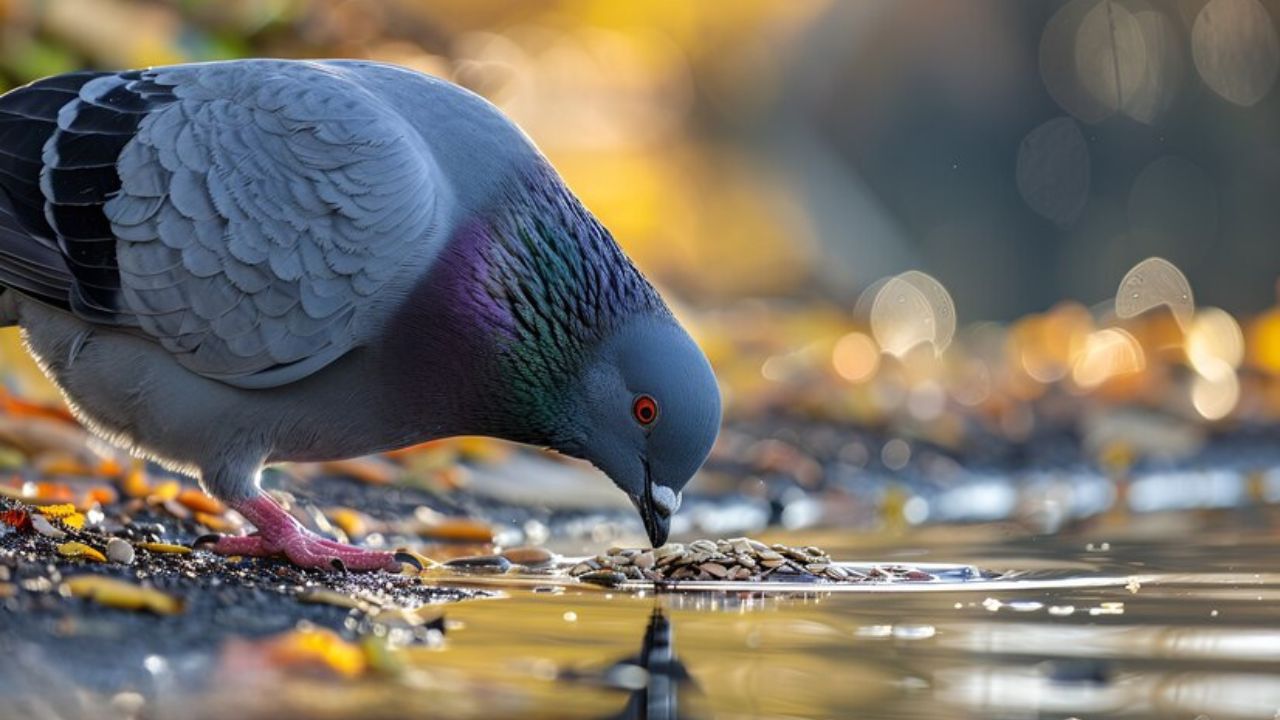
The Hancock Bird has a diverse diet that plays a significant role in maintaining its health. Its primarily insectivorous diet includes beetles, ants, and caterpillars. Occasionally, it supplements its diet with seeds and fruits, especially during certain seasons when insects are scarce. This adaptability in diet showcases its resilience and intelligence, aiding in its survival across various environments. Observing its feeding habits provides insight into its adaptability and resourcefulness, highlighting the importance of a balanced ecosystem.
Unique Behaviors That Set It Apart
What makes the Hancock Bird truly fascinating are its behaviors. Known for its elaborate courtship displays, the Hancock Bird performs intricate dances and songs to attract mates. These displays are not only mesmerizing but also demonstrate its cognitive abilities and social nature. The bird is also known for its remarkable memory, often returning to the same nesting sites year after year. Its social dynamics include forming small groups for foraging, which aids in resource sharing and predator detection.
Reproductive Cycle and Parenting
The Hancock Bird’s reproductive cycle is marked by precision and care. During the breeding season, pairs engage in building nests meticulously crafted from twigs and leaves, usually located high in trees to protect from ground predators. After laying eggs, both parents share incubation duties, showcasing a strong familial bond. Once hatched, chicks are fed regurgitated food, ensuring they receive the necessary nutrients. The dedication of Hancock Bird parents to their offspring’s survival is truly inspiring, emphasizing the importance of family structures in the animal kingdom.
Vocalizations and Communication
Communication among Hancock Birds is sophisticated and varied. Their vocalizations range from melodic songs to intricate calls used for different purposes. Males often sing to establish territory or attract females, while distinct alarm calls warn of potential threats. Researchers have observed that these birds can even mimic sounds from their environment, adding another layer of complexity to their communication. Understanding these vocalizations provides insights into their social structures and interactions, highlighting how communication plays a critical role in their survival.
Migration Patterns and Seasonal Movements
The migration of Hancock Birds is a spectacle to behold. These birds undertake long journeys, navigating using the earth’s magnetic fields and environmental cues. Migration is crucial for accessing food resources and suitable breeding sites. During migration, they often form large flocks, providing safety in numbers and increasing efficiency in locating food. Studying their migration patterns helps us understand the challenges they face, such as habitat loss and climate change, which can impact their traditional routes and survival rates.
Role in the Ecosystem
The Hancock Bird plays a pivotal role in its ecosystem. By consuming insects, it helps control pest populations, benefiting agriculture and maintaining ecological balance. Its foraging activities also aid in seed dispersal, contributing to plant diversity and forest regeneration. Furthermore, as prey for larger predators, it forms an integral part of the food web. Recognizing the Hancock Bird’s ecological contributions underscores the need for conservation efforts and raises awareness about the interconnectedness of species within an ecosystem.
Conservation Status and Efforts
Conservation of the Hancock Bird is vital due to threats such as habitat destruction, climate change, and human activities. Efforts to protect these birds include establishing protected areas, reforestation projects, and public education campaigns. Researchers are also working on breeding programs to ensure genetic diversity and population stability. Support from local communities and international organizations is crucial for these initiatives to succeed, highlighting the importance of collaborative efforts in conservation.
Observing the Hancock Bird in the Wild
For those eager to observe the Hancock Bird in its natural habitat, patience and respect for its environment are key. Best times to observe include early mornings or late afternoons when the birds are most active. Using binoculars and maintaining a safe distance ensures minimal disturbance to their activities. Birdwatchers are encouraged to document sightings and share information with conservation groups, contributing to ongoing research and protection efforts.
The Cultural Significance of the Hancock Bird
Beyond its biological importance, the Hancock Bird holds cultural significance in various communities. It features prominently in folklore and art, symbolizing freedom, beauty, and resilience. Many cultures regard it as a messenger between worlds, emphasizing its revered status. Understanding these cultural connections enriches our appreciation of the Hancock Bird and highlights the deep bond between humans and nature.
Engaging with the Birdwatching Community
Joining birdwatching clubs or participating in online forums can greatly enhance your knowledge and enjoyment of the Hancock Bird. These communities offer opportunities to share experiences, learn from seasoned birdwatchers, and contribute to citizen science projects. Engaging with fellow enthusiasts fosters a sense of community and encourages collaborative conservation efforts, ensuring the Hancock Bird continues to thrive for future generations.
Conclusion
The Hancock Bird, with its extraordinary habits and significant ecological role, is a marvel of nature. By understanding its behaviors, environment, and challenges, we can appreciate the delicate balance of ecosystems and the importance of conservation. Whether you’re observing them in the wild or supporting conservation efforts, engaging with the Hancock Bird enriches our connection to the natural world. Let’s work together to ensure these magnificent creatures continue to soar across our skies. For more information and to get involved, consider joining local birdwatching groups or supporting wildlife conservation initiatives.