
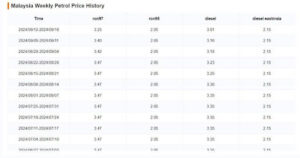
In Malaysia, where vast lands and a sparse population make cars the primary means of transportation for most families, the government has historically implemented a fuel subsidy policy to ease the economic burden on citizens. For years, the petrol price was controlled at RM2.05 per liter, significantly relieving the financial pressure on ordinary people, especially in a context where public transportation is underdeveloped.
However, starting June 10, the cancellation of diesel subsidies marked a significant shift in Malaysia’s approach to fuel pricing. Diesel prices are now determined by international oil market fluctuations, causing a staggering increase from RM2.15 to RM3.35 per liter—a rise of approximately 56%. This dramatic change has raised concerns among consumers, as many grapple with the implications for their daily expenses. Government officials pointed out that Malaysia’s previous diesel price was among the lowest in the region, leading to widespread smuggling. In comparison, neighboring countries such as Thailand and Indonesia charge around RM4 to RM4.50 per liter for diesel, making Malaysia’s prices particularly attractive for illegal trade.
Types of Fuels Available
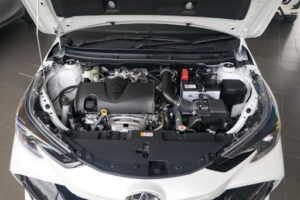
In Malaysia, the main fuel options are RON97, RON95, and diesel. RON refers to the Research Octane Number, a measure that indicates the fuel’s quality. Higher RON values, like RON97, provide better anti-knock properties, which help protect the engine from damage during combustion. This is crucial for maintaining vehicle performance and efficiency. As fuel prices fluctuate, understanding the differences between these fuel types becomes increasingly important for drivers looking to optimize their choices.
RON97 vs. RON95: Which to Choose?
Deciding between RON97 and RON95 is usually straightforward, but it can be confusing for novice drivers or those unfamiliar with automotive needs. It’s generally advisable to follow the vehicle manual’s fuel recommendations, as these are designed to provide the best protection for the engine. If aggressive driving is a common habit, opting for RON97 may enhance engine performance and longevity. However, RON95, typically priced lower, is generally more economical and can meet daily fuel needs if the vehicle doesn’t have stringent requirements for fuel quality.
With the recent rise in diesel prices, many drivers may be reevaluating their fuel choices. While RON95 remains stable in price, the spike in diesel prices could lead some to consider switching to petrol, especially if their vehicles support it. As the cost of living continues to rise, understanding fuel prices and making informed choices will be essential for all Malaysian motorists.
In conclusion, the cancellation of diesel subsidies has led to a dramatic increase in diesel prices, raising questions about fuel affordability for everyday Malaysians. With RON95 prices stable, consumers are faced with important decisions about their fuel choices, balancing performance, economy, and the changing landscape of fuel prices in Malaysia.