In the world of construction and building design, there’s always a new challenge waiting around the corner. One minute, you’re choosing the perfect shade of beige for a conference room, and the next, you’re knee-deep in regulations about air quality. But hey, who said breathing was easy?
Welcome to the thrilling realm of ventilation systems and Part F regulations! Whether you’re a seasoned HVAC engineer, a budding building designer, or a construction professional who just realized you missed the memo on proper ventilation, this blog is your blueprint to success. Stick around, and you’ll learn everything you need to know about commissioning a ventilation system that meets Part F regulations. Let’s get the air flowing!
What Exactly is Part F?
Before we jump into the nitty-gritty, let’s lay some groundwork. Part F of the Building Regulations focuses on the requirements for ventilation in buildings. It deals with ensuring that spaces are adequately ventilated by companies like https://www.coolrunningsltd.co.uk/ to maintain indoor air quality, reduce moisture, and prevent pollutant buildup.
Why is Part F Important?
You might be thinking, “Why should I care about Part F?” Well, here’s why:
- Health and Safety: Poor ventilation can lead to health issues such as respiratory problems and headaches.
- Compliance: Meeting Part F is a legal requirement. Non-compliance can result in hefty fines and project delays.
- Energy Efficiency: Proper ventilation helps in maintaining energy efficiency by regulating indoor temperature and humidity.
Understanding Ventilation Types
There are various types of ventilation systems, each suited for different needs and settings. Let’s break them down:
Natural Ventilation
This system relies on the natural flow of air through windows, vents, and other openings. It’s cost-effective but may not always meet the stringent requirements of Part F.
Mechanical Ventilation
Mechanical systems use fans and ducts to circulate air. They offer more control and consistency, making them ideal for meeting Part F requirements.
Hybrid Ventilation
Combining the best of both worlds, hybrid systems use natural ventilation when conditions are favorable and switch to mechanical systems when needed.
The ABCs of Ventilation Rates
One of the key aspects of Part F is ensuring the correct ventilation rates. Here’s how to get it right:
Assessing the Space
Start by evaluating the size and use of the space. Different areas have different ventilation needs. For example, a kitchen will require more ventilation than a bedroom due to the presence of cooking fumes.
Calculating Ventilation Rates
Use the guidelines provided in Part F to calculate the required ventilation rates. This typically involves determining the number of air changes per hour (ACH) needed for the space.
Compliance Check
Ensure your calculations meet the minimum requirements set out in Part F. Double-checking at this stage can save you headaches later on.
Choosing the Right Components
Selecting the right components is crucial for a successful ventilation system. Here’s what you need to consider:
Fans and Ducts
Opt for high-efficiency fans that can operate quietly and effectively. The size and length of ducts will also impact the system’s performance.
Filters
Quality filters are essential for maintaining good indoor air quality. Look for filters that can trap pollutants and allergens.
Controls
Advanced controls can help you monitor and adjust the system as needed. Smart controls with sensors can even automate the process, ensuring optimal performance at all times.
Installation Best Practices
Now that you’ve selected your components, it’s time to get hands-on with the installation. Follow these best practices to ensure everything goes smoothly:
Proper Placement
Place vents and ducts strategically to ensure even distribution of air. Avoid placing them near sources of pollution like garbage areas or exhaust outlets.
Seal the Deal
Ensure all connections are tightly sealed to prevent air leaks. Leaks can drastically reduce the efficiency of your system.
Test Runs
Conduct test runs to check for any issues. This could involve checking airflow, noise levels, and overall performance.
Commissioning the System
Commissioning is the final step in ensuring your ventilation system meets Part F regulations. Here’s what you need to do:
Functional Testing
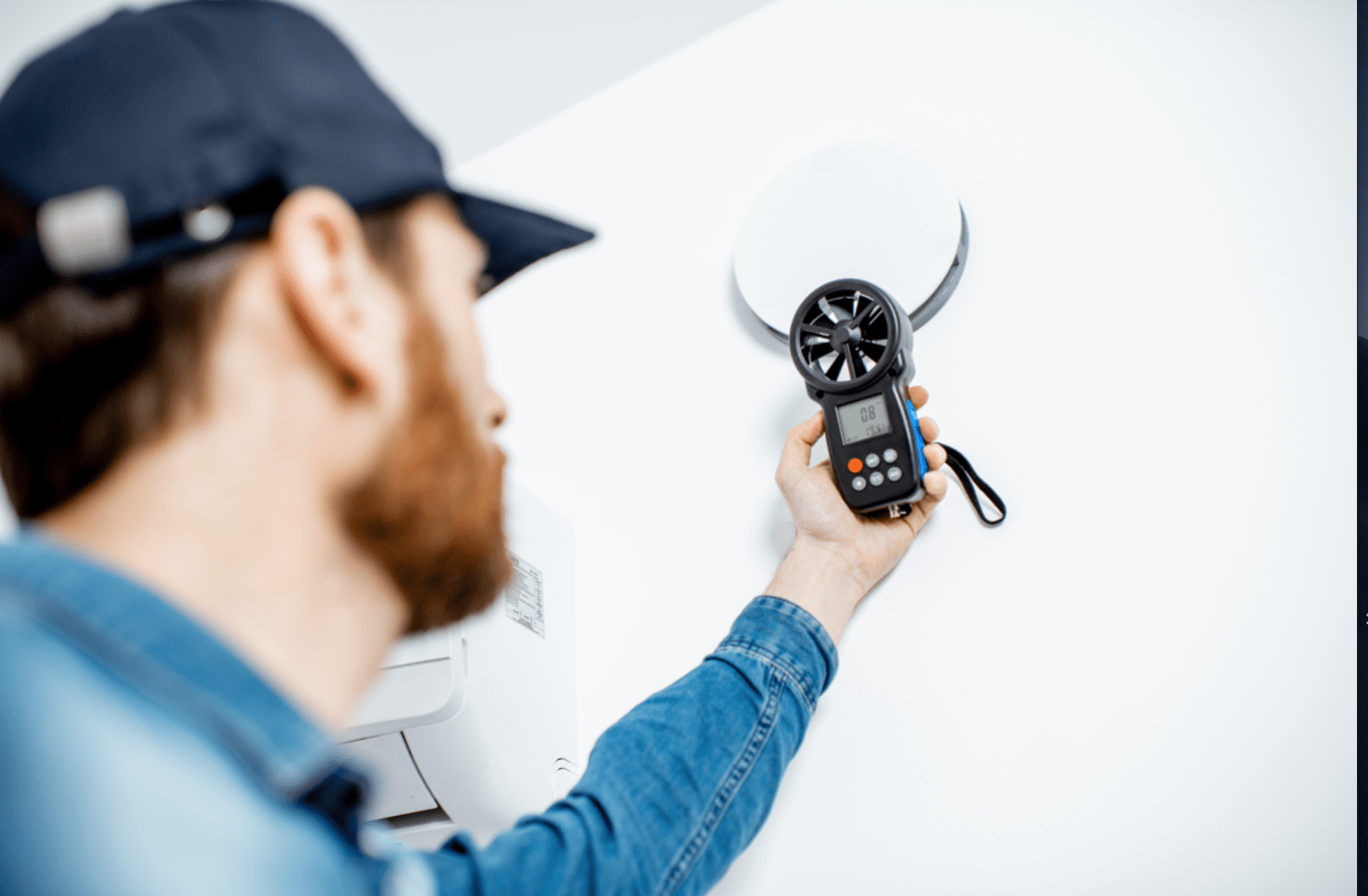
Run a series of tests to ensure the system is functioning as intended. This includes checking ventilation rates, fan speeds, and filter performance.
Documentation
Keep detailed records of all tests and inspections. This documentation will be crucial for proving compliance and can be useful for future maintenance.
User Training
Train the building occupants or facility managers on how to use and maintain the system. This ensures ongoing compliance and optimal performance.
Maintaining Your Ventilation System
A well-maintained system is key to long-term success. Here’s how to keep things running smoothly:
Regular Inspections
Schedule regular inspections to check for wear and tear. Replace filters and components as needed.
Cleaning
Keep ducts and vents clean to prevent blockages and maintain airflow.
Updates
Stay updated with any changes to Part F regulations. Compliance today doesn’t guarantee compliance tomorrow.
Common Pitfalls to Avoid
Even with the best intentions, things can go wrong. Here are some common pitfalls to watch out for:
Underestimating Ventilation Needs
Failing to accurately assess the ventilation needs of a space can lead to inadequate airflow and non-compliance.
Poor Component Selection
Choosing low-quality components to save costs can result in frequent breakdowns and higher long-term expenses.
Neglecting Maintenance
A well-installed system can still fail if not properly maintained. Regular upkeep is essential for sustained performance.
The Future of Ventilation Systems
The field of ventilation is continuously evolving, with new technologies and innovations emerging regularly. Here’s a glimpse of what the future holds:
Smart Systems
Integration with IoT and smart home technologies will make ventilation systems more efficient and user-friendly.
Sustainable Solutions
As sustainability becomes increasingly important, expect to see more eco-friendly ventilation options that minimize energy consumption and environmental impact.
Advanced Filtration
Improvements in filtration technology will offer better protection against pollutants and allergens, enhancing indoor air quality.
Commissioning a ventilation system to meet Part F regulations might seem daunting, but with the right approach, it’s entirely manageable. By understanding the requirements, choosing the right components, and following best practices, you can ensure your system is compliant and efficient.
Remember, a well-ventilated space is not just a regulatory requirement—it’s essential for the health and well-being of its occupants. If you need further assistance, don’t hesitate to reach out to industry experts who can guide you through the process.