Introduction: A Glimpse into a Modern Digital Phenomenon
In the age of digital media, viral moments come and go in the blink of an eye. However, some individuals manage to leave a lasting impression far beyond their intended screen time. One such person is Yvette Amos, a name that surged into internet fame not through deliberate intention, but by the perfect storm of circumstance, timing, and a curious object placement on a bookshelf.
While some internet celebrities are born from music, sports, or scandals, Yvette Amos became a viral star in 2021 for a now-infamous live BBC Wales interview — not for what she said, but what was seen in the background of her webcam feed. However, reducing her to this moment alone would be a disservice to the intriguing story that unfolded in the aftermath and the woman behind it all.
This article takes a deep dive into who Yvette Amos really is, her unexpected rise to viral fame, how the internet shaped her legacy, and why her story still resonates years later. We’ll also explore the cultural impact, memes, lessons on digital privacy, and the symbolic weight of accidental fame in our modern era.
Who Is Yvette Amos?
To many, Yvette Amos is the woman from “that interview.” But beyond the viral image lies a real person — a Cardiff resident, a writer, a performance artist, and an advocate for equality and mental health. Before her viral moment, Yvette was relatively unknown outside of certain academic and local creative circles.
She had worked in various roles — including library science, creative arts, and activism — long before the internet decided to turn her into a trending topic. Amos is known among peers as witty, articulate, and socially conscious, often speaking on themes like unemployment, discrimination, and gender dynamics.
Her BBC appearance was part of a segment discussing job market challenges during the COVID-19 pandemic, a subject she had a personal stake in. Ironically, the subject of the interview was soon eclipsed by an unexpected background prop that would change everything.
The Viral Moment That Started It All
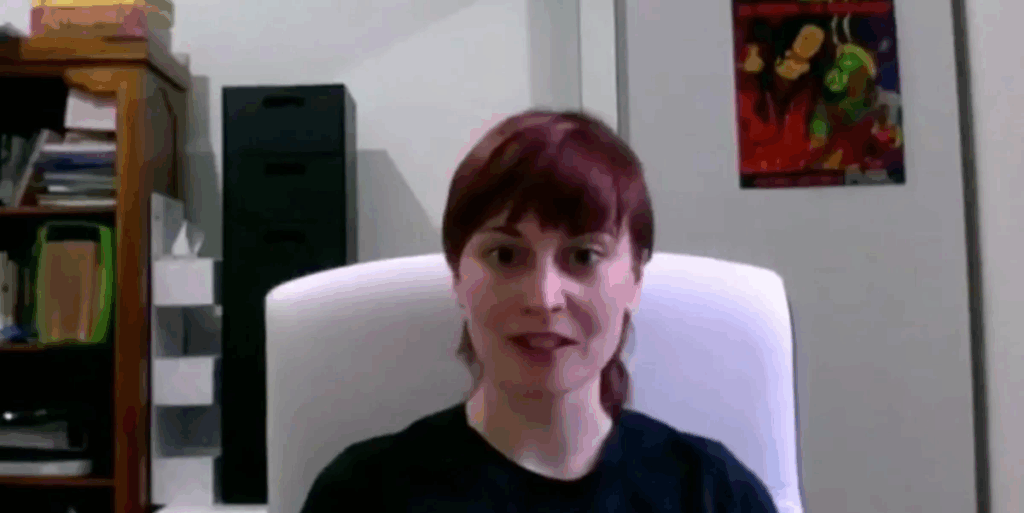
During the early months of 2021, Yvette Amos appeared live via Zoom for a BBC Wales interview discussing the harsh economic realities facing many people during lockdown. The conversation itself was somber and deeply relevant. But viewers quickly noticed something unusual in the background of her bookshelf: a very clearly placed adult toy (a dildo) positioned among otherwise ordinary books.
Screenshots quickly surfaced on social media. Twitter and Reddit lit up. The hashtags began to trend. Memes exploded across platforms. Within hours, Yvette Amos was not just a subject of news; she was the news.
The humor was immediate. From captions like “Check your background before a Zoom call” to “The bookshelf that broke the internet,” her image became meme-fodder overnight. But while many laughed, others found deeper meaning in the moment — a visual metaphor for how the private and public spheres now blend online.
The Internet Reacts: Humor, Empathy, and Everything in Between
While many viral stories attract ridicule or trolling, Yvette Amos’s case generated a surprising amount of empathy and solidarity. The consensus wasn’t mockery — it was admiration, curiosity, and sometimes awe. There was something profoundly human about the accidental mishap.
People related to the imperfection. In a world where Zoom meetings became the norm, everyone had a story — a cat jumping on the desk, a child wandering into frame, or a forgotten laundry pile in view. But none were as iconic (or symbolic) as the Yvette Amos bookshelf moment.
Soon, artists began recreating the scene in digital illustrations. Satirical Twitter accounts impersonated her bookshelf. Even major publications covered the event with thoughtful commentary on digital transparency, feminism, and the loss of personal boundaries during the pandemic.
Going Beyond the Meme: A Cultural Analysis of the Yvette Amos Moment
So why did this moment resonate so deeply? Several cultural undercurrents help explain the viral phenomenon surrounding Yvette Amos.
1. The Collision of Public and Private Spheres
The Zoom era forced millions of people to invite their co-workers, bosses, and the global internet into their homes. What used to be private sanctuaries were now dissected for decor decisions and personal belongings. Yvette Amos became the poster child of this new digital vulnerability.
2. Humor as a Coping Mechanism
In the thick of the pandemic, with the world in various states of lockdown and stress, humor served as collective therapy. The absurdity of the situation made it the perfect lightning rod for laughter without cruelty. It was a harmless accident — the kind people could laugh about without guilt.
3. Feminist Undertones and Body Positivity
Some commentators noted that the reaction to Yvette Amos could have been far more shaming if she had been less composed, less white, or less articulate. But instead, the dialogue often veered toward questions about sexuality, freedom of expression, and body positivity. Why was this so shocking in the first place? Was it a taboo we needed to confront?
Yvette Amos Responds: Owning the Moment
After going viral, Yvette Amos handled the situation with surprising grace and humor. She acknowledged the mishap, thanked people for their support, and even made light of it herself. She later commented in interviews that she had no idea the object was visible and that it was simply a background she hadn’t checked thoroughly.
Rather than retreat into embarrassment, Yvette Amos leaned into the moment. She became a kind of accidental folk hero — the embodiment of the phrase “It could happen to anyone,” but with a dignity and wit that many found admirable.
This is where her story takes a turn from fleeting meme to enduring figure. She didn’t try to capitalize on the moment for fame or endorsements. Nor did she disappear entirely. Instead, she subtly used the attention to highlight causes she cared about, including mental health support, job accessibility, and creative freedom.
From Meme to Meaning: Lessons from the Yvette Amos Phenomenon
The story of Yvette Amos isn’t just an internet curiosity. It serves as a cultural case study in how humans interact with technology, media, and each other in the 21st century. Here are just a few takeaways:
- Digital Literacy Matters: Checking your background before going live is now a modern survival skill. But it’s not just about embarrassment — it’s about controlling your narrative in a world where screenshots last forever.
- Empathy Over Shame: The mostly positive response to Yvette Amos shows a shift in how the internet responds to accidents. We’re learning (slowly) to laugh with people, not at them.
- Fame Is Fragile and Unexpected: In today’s world, anyone can become famous for a day. But what you do afterward says more about you than the moment itself.
- Privacy Is a Myth: The boundaries between private and public life have blurred. The Yvette Amos moment reminds us that our digital lives are always partly performative — even when we don’t mean them to be.
What Is Yvette Amos Doing Now?
Despite the viral fame, Yvette Amos didn’t pivot into influencer culture or attempt to monetize the moment. Instead, she continued contributing to public discourse around mental health, women’s rights, and creative freedom. She has appeared in panels and podcasts, often bringing a grounded and humorous tone to conversations around digital life and identity.
In a way, she became a symbol of resilience — not because she survived some major scandal, but because she navigated the sudden spotlight with integrity.
Why the Name “Yvette Amos” Still Gets Searched
Years later, search volume around Yvette Amos has remained surprisingly steady. She’s become something of a digital folk tale — the woman with the bookshelf, the accidental icon, the relatable star. For SEO specialists and content creators, her story is an evergreen topic because it hits so many relevant search intents:
- Zoom fails
- Viral news interviews
- BBC interview mishaps
- Accidental internet celebrities
- Background mistakes on live TV
Moreover, “Yvette Amos” functions almost like a keyword avatar — representing a blend of authenticity, humor, and humanity. Her name alone has become a shorthand for “that unforgettable moment,” which is why websites, blogs, and even academic articles continue to reference her case.
In Conclusion: Yvette Amos and the Legacy of Accidental Fame
In an internet landscape often dominated by intention, planning, and polished personas, Yvette Amos reminds us of the power of unplanned moments. She didn’t ask for attention, but she handled it better than many who do. She didn’t milk the moment — she owned it, smiled, and went back to living her life.
And in doing so, she became more than a meme. She became a symbol of resilience, realness, and that thing we all need more of in the digital age — a good laugh without a villain.
Her story is proof that sometimes, the most human moments are the ones we didn’t script. And those, strangely enough, are the ones we remember.
Read Also:- Discover Pabington