



Ask a pastor what they wore to ministry twenty years ago and most will describe something close to what their predecessors wore fifty years before that.
Stiff fabrics. Limited colour choices. Shirts designed more for appearance than for the realities of how ministry actually unfolds across a working week.
That picture is changing fast. A new generation of ministers is rethinking the basics of what they put on each morning, and the shift has very little to do with fashion. It has everything to do with the job itself looking different than it used to.
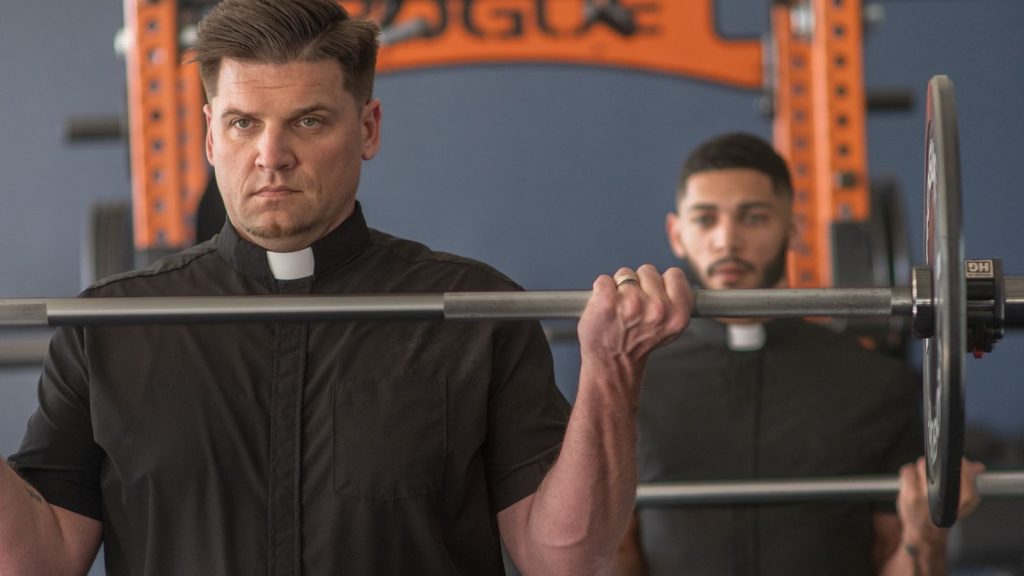
Today’s pastors are reaching for clergy shirts built around performance, not just tradition, because the demands of modern ministry have outgrown what older clothing was designed to handle.
The Job Has Quietly Expanded
Ministry never looked like a desk job, but the range of what pastors are expected to do has grown considerably.
A typical week now spans pulpit work, podcast recording, social media presence, community outreach, hospital visits, school chaplaincy, counselling sessions, and the everyday administration of running a church. Some of those things happen in air-conditioned offices. Others happen in summer heat, draughty buildings, parking lots, hospital corridors, and outdoor service settings that have nothing to do with comfort.
Clothing that worked when ministry was largely confined to the sanctuary starts to feel restrictive when the same pastor is moving between five or six completely different environments before lunch.
Comfort Stopped Being a Luxury
For decades, the assumption was that clergy attire was supposed to be slightly uncomfortable.
That was the trade-off for looking the part. Heavy fabrics, tight collars, and shirts that did not move with the body were simply accepted as part of the role. Comfort was something pastors learned to ignore rather than expect.
Younger ministers, in particular, have started pushing back on that logic. There is no theological reason for clergy clothing to be uncomfortable, and the assumption that suffering through a hot Sunday service is somehow part of the calling has lost its hold. Comfort is now treated as a baseline expectation, the same way it would be in almost any other profession that involves long hours and physical presence.
Performance Fabrics Have Caught Up
What has made the shift possible is the technology behind modern fabric design.
Moisture-wicking materials, four-way stretch construction, and breathable weaves originally developed for athletic apparel have made their way into clerical clothing. The result is a clergy shirt that holds its shape through a full day of meetings, visits, and services without trapping heat or restricting movement.
This is the kind of innovation that pastors a generation ago would have welcomed gladly if it had existed. The traditional look is preserved entirely. What changes is the experience of wearing it, which turns out to matter more than anyone realised when comfort was off the table.
Travel and Mobility Reshape the Wardrobe
Modern ministry rarely stays in one place.
Conference invitations, regional gatherings, mission trips, denominational meetings, and guest preaching slots all involve pastors moving across cities, states, and sometimes countries. A wardrobe that wrinkles in a suitcase, holds onto odours after a long flight, or requires careful steaming before every service quickly becomes a liability.
Performance clergy shirts solve most of those problems quietly. Quick-drying fabrics handle hotel laundry. Wrinkle resistance survives the suitcase. Lightweight construction makes packing easier. These are small wins individually, but they add up across a year of ministry travel into something that genuinely changes how pastors prepare for the road.
Younger Ministers Are Driving the Shift
The pastors leading this change tend to be those in the first decade or two of their ministry careers.
They have grown up wearing performance fabrics in every other part of their lives, from running clothes to work shirts to travel gear. When they stepped into ministry roles and discovered that clergy clothing had been largely untouched by the same innovations, the gap felt obvious rather than acceptable.
Brands like Wicking Vicar have built their reputation on closing that gap. The visible look of traditional clerical attire stays exactly where it should be. Everything underneath it gets quietly upgraded, bringing clergy clothing into line with what ministers already expect from the rest of their wardrobe.

The Older Generation Is Coming Around Too
What started as a generational shift has steadily broadened.
Pastors who have spent thirty or forty years in ministry are not always quick to change their habits, but comfort tends to win arguments over time. A colleague mentions how cool their new shirt stays during summer services. A friend recommends something that survived a particularly demanding week of pastoral visits. Word spreads through ministry networks the same way it always has, slowly and through trusted relationships.
The result is a quiet broadening of who is wearing performance clergy clothing. It is no longer just younger pastors experimenting with something new. It is increasingly the default across denominations, age groups, and ministry styles.
Conclusion
What pastors wear has always reflected what ministry actually demands of them.
When the role looked like standing behind a pulpit on Sunday morning, traditional clergy clothing made perfect sense. As ministry has stretched across more environments, more responsibilities, and more physical demands, the clothing has had to stretch with it.
The shift toward performance clergy shirts is not a rejection of tradition. It is an acknowledgment that the people serving in ministry today deserve clothing that supports them through what the job has actually become, not just what it used to be.