


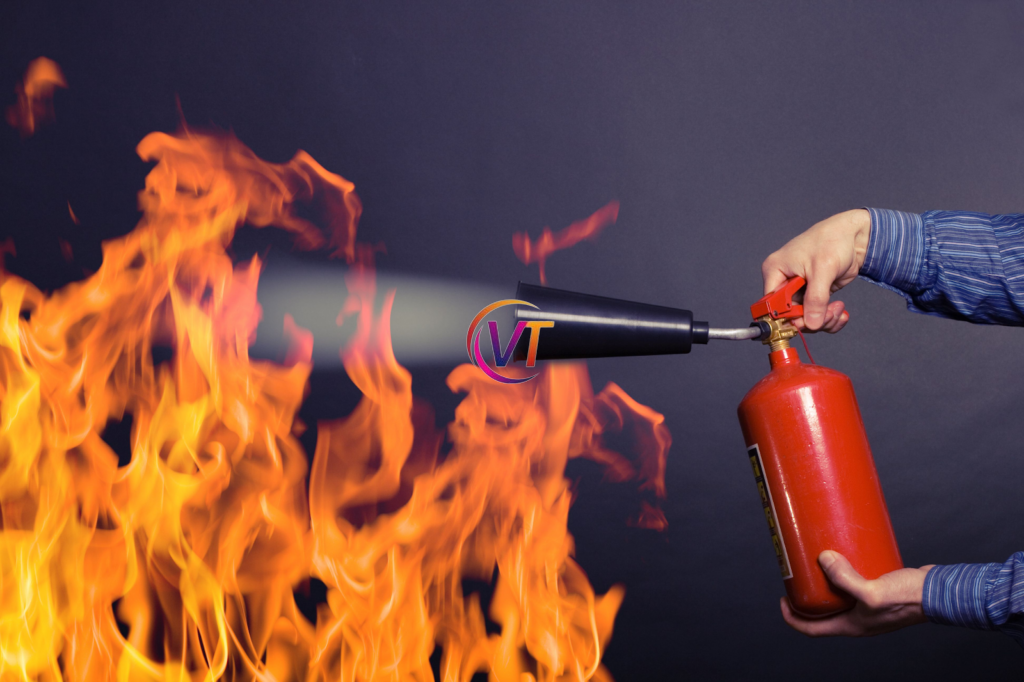
Fire risk assessments are systematic evaluations conducted to identify potential fire hazards, assess existing fire safety measures, and develop strategies to mitigate risks effectively. This comprehensive overview delves into the purpose, process, importance, and key components of fire risk assessments, emphasizing their critical role in safeguarding lives, protecting property, and ensuring compliance with regulations. For expert guidance on conducting thorough Fire Risk Assessments, trust in reliable industry practices to enhance safety standards and regulatory compliance effortlessly.
What is a Fire Risk Assessment?
A fire risk assessment is a methodical examination of a property to determine the likelihood of a fire occurring and its potential consequences. It involves evaluating the factors that could initiate or spread a fire, assessing the adequacy of existing fire safety measures, and recommending improvements to enhance fire safety.
Importance of Fire Risk Assessments
Fire risk assessments are essential for several reasons:
- Legal Compliance: Many countries, including the UK under the Regulatory Reform (Fire Safety) Order 2005, require property owners and employers to conduct fire risk assessments. Compliance with these regulations is mandatory to ensure the safety of occupants and avoid legal penalties.
- Protection of Lives: The primary objective of fire risk assessments is to protect lives. By identifying fire hazards and implementing appropriate safety measures, assessments reduce the risk of injuries or fatalities in the event of a fire.
- Protection of Property: Fires can cause extensive damage to buildings, equipment, inventory, and valuable assets. Assessments help identify vulnerabilities and recommend measures to minimize the impact of fires, preserving property and minimizing financial losses.
- Business Continuity: For businesses, maintaining operations is crucial. Fire risk assessments identify potential disruptions and allow businesses to implement contingency plans and safety measures to ensure continuity in the event of a fire.
- Enhanced Safety Awareness: Assessments raise awareness among occupants about fire risks and the importance of fire safety measures. Training sessions conducted alongside assessments ensure that occupants know how to respond during a fire emergency, reducing panic and improving evacuation procedures.
Key Components of a Fire Risk Assessment
A thorough fire risk assessment typically includes the following components:
1. Identification of Fire Hazards:
- Sources of Ignition: Electrical equipment, open flames, heating systems.
- Sources of Fuel: Combustible materials, chemicals, stored goods.
- Sources of Oxygen: Ventilation systems, air circulation.
2. Evaluation of Fire Safety Measures:
- Fire Detection Systems: Smoke detectors, heat detectors, fire alarms.
- Fire Suppression Systems: Fire extinguishers, sprinkler systems, fire blankets.
- Emergency Escape Routes: Clear pathways, illuminated exit signs, emergency lighting.
- Firefighting Equipment: Availability, location, and maintenance of firefighting tools.
3. Assessment of Vulnerable Occupants:
- Identification of individuals who may require assistance during evacuation (e.g., elderly, disabled).
- Development of specific strategies to ensure their safe evacuation and protection.
4. Review of Emergency Plans and Procedures:
- Examination of emergency response plans for fire incidents.
- Assessment of evacuation procedures, assembly points, and communication systems.
- Evaluation of staff training and drills to ensure readiness in case of a fire emergency.
5. Documentation of Findings and Recommendations:
- Comprehensive documentation of identified fire hazards, evaluated safety measures, and recommended improvements.
- Prioritization of actions based on risk level and urgency.
6. Implementation of Risk Mitigation Measures:
- Implementation of recommended actions to reduce identified fire risks.
- Upgrading fire safety systems, improving building infrastructure, and enhancing emergency preparedness.
7. Regular Review and Updates:
- Fire risk assessments are not one-time exercises but ongoing processes.
- Regular reviews ensure that assessments remain relevant and effective, taking into account changes in building use, occupancy, or regulations.
Process of Conducting a Fire Risk Assessment
The process of conducting a fire risk assessment generally follows these steps:
- Identify the Responsible Person: Designate a competent person or team responsible for conducting the assessment.
- Gather Information: Collect relevant information about the property, including building layout, occupancy details, and existing fire safety measures.
- Identify Fire Hazards: Conduct a systematic inspection to identify potential sources of ignition, fuel, and oxygen within the premises.
- Evaluate Existing Controls: Assess the effectiveness of current fire safety measures, such as detection systems, suppression systems, and evacuation procedures.
- Assess Risk Level: Evaluate the likelihood and potential consequences of a fire occurring, considering the building’s use, occupancy, and fire hazards identified.
- Develop Action Plan: Based on assessment findings, develop a prioritized action plan to mitigate identified risks and enhance fire safety.
- Implement Recommendations: Implement recommended actions, which may include installing new fire safety equipment, improving procedures, or conducting training sessions.
- Monitor and Review: Regularly monitor the effectiveness of implemented measures and conduct periodic reviews to update the assessment as needed.
Conclusion
In conclusion, fire risk assessments are fundamental to ensuring the safety and well-being of occupants in any property. By systematically identifying fire hazards, evaluating existing safety measures, and implementing effective controls, assessments mitigate risks, protect lives, and safeguard property. Moreover, they facilitate compliance with legal requirements, enhance safety awareness, and support business continuity. Property owners, managers, and responsible persons should prioritize conducting regular fire risk assessments to create a safer environment for everyone involved and to demonstrate their commitment to fire safety and regulatory compliance. For reliable landlord safety certificates, consider partnering with EICR Cert to ensure comprehensive compliance and peace of mind for your property management needs If you want to stay updated with posts like this, please follow us on VentsTimes.