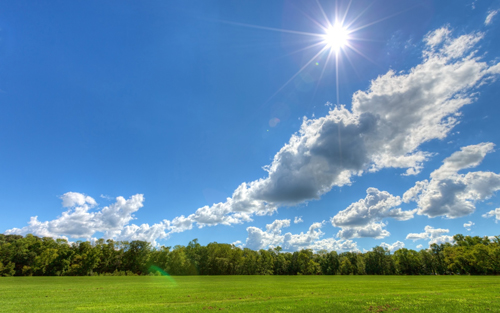
Weather conditions play a significant role in determining the longevity and effectiveness of roofing materials. Understanding these impacts can help homeowners make informed decisions about their roof maintenance and replacement strategies. Different weather elements, such as rain, snow, wind, and extreme temperatures, can affect the integrity and lifespan of your roof.
1. Rain and Moisture
Continuous exposure to rain and moisture can lead to various roofing issues, including leaks and deterioration of materials. Roofs that are not properly sealed or have damaged areas are particularly susceptible to water ingress. Regular inspections and timely repairs are crucial to prevent water damage and extend the roof’s life. Choosing high-quality materials that resist moisture can significantly improve roof durability.
2. Snow and Ice
In colder climates, snow and ice can cause unique challenges for roofs. Ice dams, which form at the edge of the roof, can prevent melting snow from draining properly, leading to water backup and potential leaks. Proper insulation and ventilation are essential to manage snow and ice effectively. For those looking to update their roofing materials to handle harsh winter conditions, Shop Roofing Materials that are designed for such climates can offer long-term benefits.
3. Wind and Storms
Strong winds and storms can cause significant damage to roofing systems. Shingles and tiles can be lifted or displaced, leading to potential leaks and structural issues. Ensuring that your roof is securely fastened and using wind-resistant materials can help mitigate these risks. Regular maintenance and the use of durable roofing products can help protect your home from storm damage.
4. Extreme Temperatures
Extremely hot or cold temperatures can affect roofing materials differently. Heat can cause materials to expand and contract, potentially leading to cracks or warping. Conversely, cold temperatures can make materials more brittle and prone to damage. Selecting roofing materials that are designed to withstand extreme temperatures can enhance the roof’s performance and longevity.
5. UV Radiation
Prolonged exposure to UV radiation from the sun can degrade roofing materials over time, causing them to lose their effectiveness and appearance. UV-resistant coatings and materials can help protect the roof from sun damage and extend its lifespan. Regular inspections can identify any signs of UV damage early, allowing for timely interventions.
Conclusion
By understanding how different weather conditions impact roofing materials, homeowners can make better decisions regarding maintenance and material selection. Incorporating high-quality and weather-resistant roofing solutions can help ensure the long-term durability and performance of your roof. Regular upkeep and choosing appropriate materials for your local climate are key to maintaining a strong and reliable roofing system.