


The streaming revolution has transformed how movies and series are created, distributed, and consumed. Platforms like Netflix, Disney+, and Hulu have not only redefined audience expectations but also opened doors for filmmakers to reach global audiences.
But with these opportunities come challenges. How do creators stand out in a world overflowing with content? Here are five essential insights to navigate this new era of storytelling.
1. The Shift in Storytelling for Global Audiences
Streaming platforms have made the world smaller. A single story can now reach millions of people across continents, making it essential for filmmakers to craft narratives that connect with diverse audiences. Look at Squid Game or Money Heist. These are stories deeply rooted in their own cultures yet striking a chord universally.
What’s the secret? Authenticity paired with universal themes. Filmmakers need to invest in understanding the nuances of their characters and settings while exploring ideas like love, survival, justice, or ambition that resonate broadly.
Partnering with local talent, diving into cultural research, and embracing multilingual scripts can elevate stories, ensuring they feel genuine while appealing to a global audience. The goal is simple: be local, think global.
2. Leveraging Technology for High-Quality Productions
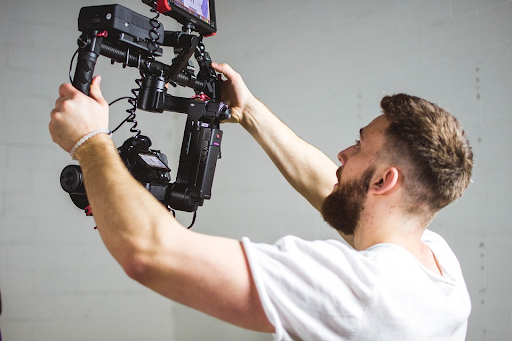
When it comes to streaming, audiences expect nothing less than stunning visuals and crystal-clear sound. For filmmakers, that means embracing technology that ensures their work not only looks professional but also meets the high standards set by platforms like Netflix and Amazon Prime.
It’s not just about storytelling anymore – it’s about delivering an experience. Take Netflix-approved cameras, for example. Models like the ARRI Alexa and RED series are the go-to choices for capturing the breathtaking visuals seen in shows like The Crown and Stranger Things.
These cameras aren’t just about flashy specs. They’re about reliability and compatibility with the streaming industry’s demands. For filmmakers, using one of these cameras can mean the difference between creating content that stands out and content that falls flat.
3. The Impact of Data on Filmmaking Decisions
We often think of filmmaking as purely an art form, but in the age of streaming, data plays a significant role in shaping what gets made.
Platforms like Netflix and Amazon Prime know exactly what their audiences watch, how long they watch, and even when they hit pause. This information helps them greenlight projects and suggest changes to improve engagement.
For filmmakers, this might seem intimidating at first, but it’s actually an opportunity. By paying attention to trends, like the popularity of true-crime series or the growing interest in diverse stories, you can tailor your projects to meet audience demand without compromising your creative vision. Data isn’t about stifling creativity; it’s about aligning your vision with what audiences are hungry for.
4. The Rise of Short-Form and Episodic Content
The days of every story being told in a two-hour movie are long gone. These days, audiences are all about variety. From binge-worthy series and half-hour episodes to short-form hits like TikToks and YouTube Shorts, it’s clear people want stories that fit their lives.
To keep up, filmmakers are rethinking how they tell stories. Cliffhangers, fast pacing, and memorable characters are now must-haves. But it’s not about watering things down – it’s about finding fresh ways to hold attention. Shorter formats are also perfect for trying out new ideas or giving indie creators a chance to shine.
Whether it’s a gripping 10-episode series, a 5-minute short, or a single clip that goes viral, the goal is the same: create something so good it leaves viewers wanting more. The way we tell stories is changing, and that’s pretty exciting.
5. Collaboration in a Digital Ecosystem
One of the most transformative shifts in modern filmmaking is the rise of remote collaboration. With nearly 75% of creative professionals working on remote projects in 2023, filmmakers no longer need to be in the same city, or even the same country, to bring their visions to life.
Thanks to tools like Frame.io for real-time editing feedback, Soundtrap for collaborative audio design, and virtual production stages, teams can work seamlessly across time zones and borders. Streaming platforms are also stepping in to encourage collaboration and opportunity. Amazon’s “Prime Video Direct,” for instance, empowers independent creators to distribute their work to millions of global viewers.
On a broader scale, festivals like Sundance now incorporate digital screenings, allowing filmmakers to connect with audiences, investors, and distributors worldwide without ever stepping foot on the festival grounds.
The streaming era has transformed filmmaking, making it more exciting and accessible than ever. Creators now have the chance to blend innovation with creativity, reaching audiences across the globe. This is your time to embrace the opportunities and rise to the challenges of modern filmmaking. The world is ready to watch – so go ahead, tell your story. It’s waiting to be heard.