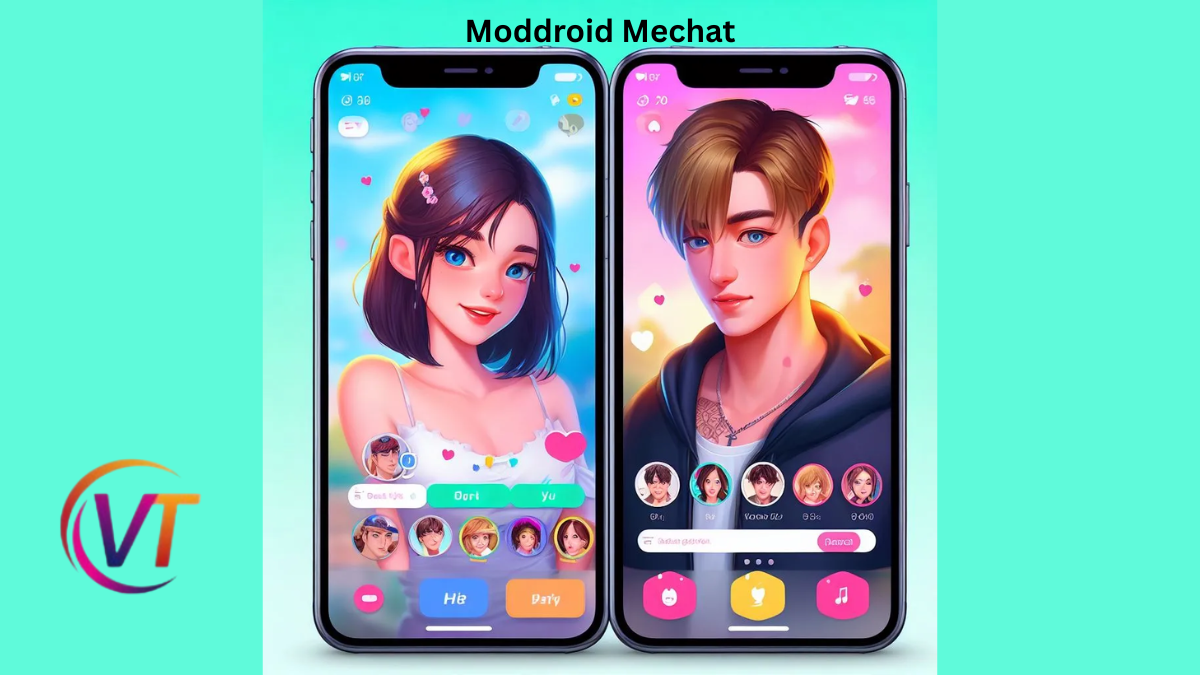
In the ever-expanding world of Android customization, moddroid mechat emerges as a powerful concept reshaping how users personalize their devices. Unlike typical themes or launcher apps, moddroid mechat combines modular architecture with deep customization layers, enabling users to tailor their Android experience at unprecedented levels. In this exhaustive guide, we’ll explore everything you need to know—from its origins and core principles to practical tips, installation strategies, and future possibilities.
Why Moddroid Mechat Matters
These are the primary reasons moddroid mechat has caught the attention of enthusiasts and power users:
- Modular Architecture: Rather than relying on monolithic customization packs, moddroid mechat is built around interchangeable modules—UI tweaks, audio enhancements, gesture controls, and more. Users can mix and match features to create a bespoke experience.
- Community-Driven Innovation: Open-source modules and third-party plugins promote rapid development and feedback loops, making moddroid mechat a hotbed of creativity.
- Control and Safety: With sandboxed components and clearly defined permission layers, moddroid mechat helps users maintain system stability and security.
A Brief History of Android Customization
To appreciate moddroid mechat, let’s walk through the milestones of Android modding:
- Custom ROMs (e.g., CyanogenMod)
- Early pioneers that let users flash alternative firmware with extended features.
- Magisk Modules & Xposed Framework
- Introduced the concept of modules that injected code at runtime, enabling per-feature tweaks.
- Standalone Theming Tools
- Apps like Substratum, Swift Installer, and various launcher/app icon packs simplified aesthetic customization.
- Moddroid Mechat
- Delivers a hybrid model that combines modular depth with user-friendly controls, bridging power-user flexibility with consumer accessibility.
What Is Moddroid Mechat Exactly?
Moddroid mechat is an architecture + platform concept centered on:
- Lightweight Kernel Toolkit: A small core that loads modules dynamically rather than applying massive patches.
- Module Store & Plugin Repository: An app or web portal where users can browse, download, and manage features—ranging from UI styles to input enhancements.
- Permission-Based Sandboxing: Each module declares permissions (e.g., SYSTEM_UI_MOD, NOTIFICATION_READ) and is isolated, reducing risk compared to a one-size-fits-all mod.
- On-The-Fly Activation: Enable or disable modules in real time, with no need for device reboot or system reflash.
This flexibility enables detailed control: want Android 12’s new quick setting UI? Download that widget module. Crave smart gesture control? Load a touchpad module. Fascinated by immersive audio profiles? There’s an audio DSP module. These can all coexist peacefully.
Modular Categories in Moddroid Mechat
Here are some essential module categories within the moddroid mechat ecosystem:
1. UI & Aesthetic Modules
- QuickSettings Redesign – Custom layouts, icons, and toggles.
- Theming Engine – Fonts, colors, UI element textures, navigation bar tweaks.
2. Performance & System Tweaks
- CPU Governor Manager – Profiles for battery life or gaming performance.
- Memory Cleaner – Intelligent RAM optimization.
3. Gesture & Input Modules
- Smart Gesture Control – Screen-off gestures, edge-swipe profiles.
- Floating Button Overlay – Fully configurable floating shortcuts.
4. Audio & Media Enhancements
- 5‑Band or 10‑Band EQ – In-app equalizer.
- Spatial Audio – Enhanced sound stereo profile.
5. Connectivity Tools
- Advanced Wi-Fi Scanner – Real-time channel stats.
- Do Not Disturb Intelligent – Auto rules like powering off mobile data at night.
6. Privacy & Security
- Permission Audit Tool – Review real-time module-permission activity.
- Auto VPN Module – Route selected apps through a VPN tunnel.
7. Developer Modules
- Logging Overlay – In-app logs, process watchers.
- ADB Shortcut Panel – Enable ADB commands with a swipe.
Why Moddroid Mechat Outpaces Traditional Mods
Here’s why moddroid mechat pushes past conventional mods and theming systems:
| Factor | Moddroid Mechat | Custom ROM / Magisk / Xposed |
|---|---|---|
| Modularity | Highly granular, no need for full rebuilds | Large combined packages; full system patch |
| Safety & Rollback | Sandboxed modules; instant disable | Risky flash/cancel process; rehab needed |
| User Friendliness | App‑centric UI, install/uninstall flows | Flash tools, root processes, developer mindsets |
| Community Speed | Independent devs release small modules often | ROMs need major releases; slow update cycles |
| Battery & Storage Overhead | Modules load only when active | Full ROM or framework always loaded |
How to Get Started with Moddroid Mechat
Here’s a practical walkthrough for adopting moddroid mechat:
- Root or Use Virtual Space
- Ideally rooted, but can run in a virtual environment or as a user-accessible APK with system-level patches.
- Install the Mechat Core App
- Comes as a base app with a WL tracker that monitors module health, permissions, and performance.
- Browse Modules
- Explore categories; modules often have video demos, changelogs, and rating systems.
- Install and Configure
- Tap install, grant minimal permissions, and customize settings per module.
- Test & Tweak
- Observe system behavior—disable or uninstall any unstable modules.
- Layer More Features
- Combine gesture, UI, and performance modules to craft your ideal setup.
Real-World Moddroid Mechat Setups
Here are three sample user profiles demonstrating customized moddroid mechat use cases:
Power Gamer Setup
- Custom performance governor for max FPS
- Responsive gesture module for shortcuts
- Floating button for quick game boosting mode
- Spatial audio for immersive in-game sound
Productivity Guru Setup
- Custom QuickSettings panel with clean design
- Smart gesture to launch calendar, notes, tasks
- RAM optimizer during hot-swapping
- VPN toggle for secure corporate access
Audio Enthusiast Setup
- 10-band equalizer preset for headphones
- Spatial audio module with simulated surround effect
- Lock-screen information overlay with enhanced metadata
Troubleshooting Common Moddroid Mechat Issues
In practice, users sometimes encounter roadblocks. Here’s a helpful troubleshooting list:
- Modules Don’t Activate
- Check if permissions were granted correctly. Try restarting the module or the core app.
- System Instability or Crashes
- Temporarily disable recent modules. Use the rollback feature in the core app.
- Battery Drain Concerns
- Profile active modules in the power tool; disable unused background running modules.
- App Compatibility Problems
- Some apps (especially banking/security apps) may refuse to run under moddroid modded environments—whitelisting or temporarily disabling the modification might help.
- Difficulty Uninstalling
- Use the official frontend uninstall option or disable from the module manager before full removal.
FAQ: Answering Your Questions About Moddroid Mechat
Q: Is root required for moddroid mechat?
A: For deep-system modules, root access is highly recommended. Basic UI or overlay tweaks may work without root, often using virtualized sandbox environments.
Q: Will moddroid mechat void my warranty?
A: Installing moddroid mechat modules typically doesn’t void warranty—provided you don’t flash full system images. Rooting itself may, however, depending on vendor.
Q: Can I restore to factory settings?
A: Absolutely. Use the rollback/disabler features, reboot into safe mode, and then uninstall the core app. Your system returns to its untouched state.
Q: Are modules safe from malware?
A: Modules from verified repositories undergo screening. However, only install modules from trusted creators or official stores.
Q: What versions of Android support moddroid mechat?
A: Modern versions (Android 9–14) are fully supported. Early versions may lack API hooks for modular features.
The Future of Moddroid Mechat
Looking ahead, moddroid mechat is poised to grow in exciting ways:
- AI-Powered Modules
- Predictive gesture activation, automated module configuration based on usage patterns.
- Cross‑Device Profiles
- Sync module setups across phone, tablet, and Chromebook with a unified mechat account.
- Enterprise-Grade Use Cases
- Company-specific configurations, kiosk modes, secure employee features.
- Open Standard & Interoperability
- Collaboration with other modular systems like Magisk and Substratum for cross-platform modules.
- Module Marketplace Scaling
- More rich plugin reviews and rating systems akin to app stores, boosting quality and community support.
Tips for Advanced Moddroid Mechat Users
- Combine Modules Like a Pro: Use gesture modules along with UI and performance tweaks to craft unique modes—e.g., “Movie Mode” with immersive audio, UI simplification, and auto brightness changes.
- Track Battery & Memory Stats: The Moddroid core supports on-dashboard resource usage tracking to profile active modules.
- Customize Module Load Order: Some modules depend on others; reordering them can resolve conflicts.
- Backup Your Configuration: Export all installed modules and settings into a JSON or ZIP for restoration or sharing.
- Stay Updated: Subscribe to official mod forums or the moddroid mechat GitHub to get alerts and changelogs.
Final Thoughts: Why Moddroid Mechat Is a Game-Changer
With its modular design, community ecosystem, and focus on safety and usability, moddroid mechat represents a bold leap forward in Android customization. Whether you’re a casual user seeking aesthetic flair or a power user hunting for maximum control, it enables you to build a device configuration that’s uniquely yours.
By delivering individual feature modules (instead of monolithic ROMs or frameworks), moddroid mechat encourages experimentation, encourages quality, and reduces risk. The ability to enable/disable components on the fly promotes a dynamic user experience—without constant reboots or full system flashes.