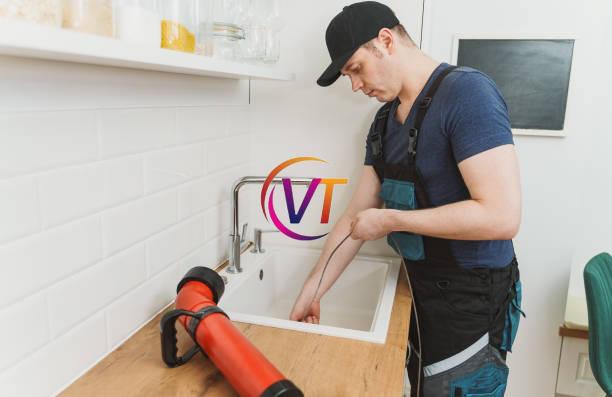
Upgrading your home’s plumbing system can be a daunting task, especially when dealing with older properties. Plumbing challenges that arise from old systems, building materials, and outdated standards can complicate the process further. This guide will lead you through a sequential approach to upgrading your old home’s plumbing system while providing professional insights to ensure a smooth and effective transition.
Analyzing the Plumbing Condition
The first step towards upgrading your plumbing involves understanding the existing setup. Analyze the water pressure, check for leaks, evaluate overall pipe condition and try to identify the pipe material used throughout the building. You can hire professionals for an extensive assessment; they will use advanced techniques such as CCTV inspections in tricky areas. Remember, for professional help and advice, Follow Fergusons Plumbing for Updates on Twitter.
Selecting Quality Materials
Modern plumbing systems feature diverse pipe materials from PVC to PEX and copper. Each has its own benefits which determine their suitability for certain applications. Copper pipes are durable and heat resistant. PVC is cheap and best for water supply lines. PEX is flexible and easy to install making it good for interior plumbing.
Replacing Old Galvanized Pipes
Old homes usually have galvanized pipes which are prone to rusting. Rust buildup leads to low water pressure and discoloration. Replacing these pipes reduces health hazards associated with rusty water while enhancing your home’s value.
Addressing Drainage System Issues
Apart from the supply system, pay attention to waste drainage pipes. Old homes may have cast iron sewage pipes that can corrode over time affecting bathroom efficiency. PVC drains are superior alternatives since they resist corrosion and last longer.
Treating Hard Water
Hard water can be a common problem in older homes, leading to reduced appliance life and efficiency. Installing a water softener mitigates these issues by decreasing the mineral concentration in the water.
Upgrading Fixture and Appliances
Add modern fixtures like low-flow toilets, efficient shower heads, faucet or tankless water heaters for comfort and energy savings. Check home improvement stores for high-efficiency appliances that may come with rebates.
Comprehensive Re-piping
In some cases, your entire piping system may need an upgrade. This could involve replacing all pipes, connections and fixtures. Repiping is expensive but worth considering if your cost-benefits analysis justifies it.
Addressing Hot Water Issues
If you keep running out of hot water, consider upgrading to a tankless heater or larger capacity tank. Tankless heaters provide hot water on demand and are more efficient; they help save on utility bills in the long run.
Increasing Water Pressure
Improving pressure improves overall satisfaction with your plumbing system. You could install pressure valves or change pipe sizes to enhance the water flow rate. Consult with a professional plumber before making changes that affect pressure.
Employing Certified Professionals
Hiring certified professionals guarantees quality workmanship while negotiating compliance with local codes. They possess advanced knowledge and expertise capable of tackling any plumbing challenge in your old property.
Fitting Modern Isolation Valves
Fitting isolation valves at each outlet allows you to turn off the water supply in sections instead of shutting down the entire house plumbing during repairs or upgrades. They also help in managing leaks efficiently without causing disruptions to other areas.
Avoiding DIY Mistakes
DIY might seem cost-effective until a mistake happens. Small errors can lead to hefty repair costs and potential health risks. Save yourself the trouble and hire professionals who know what they are doing.
Maintaining Your New Plumbing
Proper maintenance guarantees the longevity of your new plumbing system. Regular inspections, fixing leaks promptly, protecting pipes during winter, and draining your water heater periodically are some of the things you can do to maintain your plumbing infrastructure.
Wrapping Up
Successfully upgrading your older home’s plumbing requires a good understanding of the current system, choosing high-quality materials, employing certified professionals and undertaking comprehensive maintenance after the upgrade. Investing in a modern system not only improves comfort and functionality but also adds significant value to your property. As always, consider seeking professional guidance throughout the process for best results.