


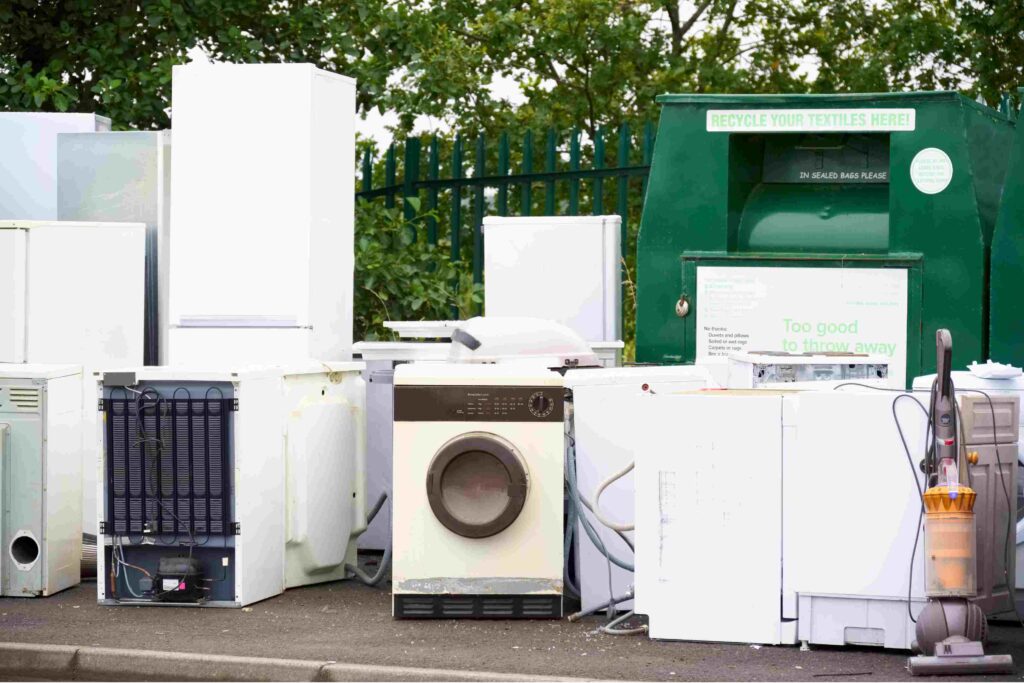
Throwing old appliances into a landfill might seem easy, but it creates long-term environmental damage. Refrigerators, freezers, and even microwaves often contain harmful substances like lead, mercury, and chlorofluorocarbons (CFCs).
These toxic materials can seep into the soil and groundwater, harming plants, wildlife, and even drinking water supplies. As they spread, they disrupt ecosystems and contribute to air and water pollution.
Proper disposal stops this chain reaction. When you recycle or donate, you’re not just clearing space in your home; you’re helping to protect natural habitats and reducing your household’s carbon footprint. It’s a powerful way to contribute to global sustainability efforts.
Checking Local Regulations
Each area handles appliance disposal differently, and not following these rules can land you with hefty fines or warnings. Some councils offer free bulky waste collections; others require residents to book paid pickups or drop items at designated sites.
Start by visiting your council’s website for guidelines on how to get rid of fridges, cookers, and washing machines. The information is usually under the recycling or waste management section. It outlines what they’ll collect, when, and how to prepare appliances for pickup.
If it’s still unclear, call your local waste management team. A quick phone call can clear up confusion about whether your appliance counts as hazardous waste or needs special handling.
This step alone saves you from headaches and ensures your efforts align with legal requirements.
Resources for UK Residents
In the UK, the GOV.UK website is a great place to start. It provides links to regional authorities and detailed advice on recycling or disposing of electricals. Many councils also list approved recycling partners or charity programs willing to take working appliances.
Following these regulations isn’t just about avoiding penalties—it’s about supporting national initiatives to cut waste and reduce pollution. Your actions help create cleaner neighbourhoods and set an example for others.
Researching Local Recycling Centers
Local recycling centres make disposing of old appliances easy and environmentally friendly. These facilities dismantle items safely, separating materials like metal, glass, and plastic for reuse in manufacturing.
To find your nearest site, use Google Maps or check your council’s recycling directory. Many centres now accept small and large appliances, though some require appointments for bigger items like cookers or fridges.
Before making the trip, call ahead. Ask if they accept your specific appliance and if you need to prepare it in any way, like removing doors or securing loose parts. Knowing these details ensures a smooth drop-off and saves you time.
Recycling centres often provide peace of mind. You know your old oven won’t end up polluting a landfill but will instead be broken down responsibly, with parts finding new life in other products.
Consulting Retailers for Appliance Removal Services
If you’re replacing an appliance, check with the store you bought the new one from. Many major UK retailers, like Currys and AO, offer old appliance removal as part of their delivery services.
This option is super convenient. Installers take your old fridge, oven, or washer away when they bring the new one, saving you from the hassle of lifting or transporting bulky items yourself.
Ask upfront if there’s a fee for this service. Some stores include removal in the delivery cost; others charge a small additional amount. Either way, it’s worth considering, as it guarantees your appliance gets disposed of properly while you focus on enjoying your new setup.
Donating Functional Appliances to Charities
Before sending your appliance to recycling, ask yourself: is it still working? If yes, consider donating it to a local charity or community organisation. Your old washing machine, cooker, or fridge could make a huge difference for someone in need.
Shelters, thrift shops, and low-income housing programs often accept gently used appliances. This kind of donation keeps functional items out of landfills while supporting families who might not afford brand-new ones.
Call ahead to check the charity’s needs and requirements. Some organisations even offer free pickup, making the process stress-free. Plus, donations may be tax-deductible, so ask your tax advisor if you can claim any benefit.
Donating turns decluttering into a meaningful act, helping others while supporting sustainability efforts.
Participating in Community Recycling Events
Community recycling days are a fantastic way to dispose of old appliances without much fuss. Councils and local organisations host these events, encouraging residents to bring bulky items like dishwashers or tumble dryers for proper disposal.
Keep an eye on social media, local papers, or community boards for announcements. These events often include reduced-cost or even free drop-offs for large appliances.
Before attending, confirm whether your appliance type is accepted and if you need to prep it. Simple steps like detaching cords or securing loose panels help streamline the process.
Arrive early to avoid long queues—these events are popular! By joining in, you’re making disposal easy for yourself and contributing to your area’s waste reduction goals.
Selling or Giving Away Through Online Marketplaces
Your unwanted appliance could be exactly what someone else needs. Platforms like Facebook Marketplace, Freecycle, Gumtree, and eBay are perfect for giving it a second life.
Listing an appliance takes minutes. Snap clear photos, write a detailed description, and set a reasonable price, or offer it free to speed things up. A clean, well-maintained appliance attracts more interest and makes the transaction smoother.
This method is particularly great for items that still work but don’t fit your current needs. Instead of adding to landfill waste, you’re helping others save money and reducing demand for new manufacturing.
It’s a win-win: you clear space at home and know your old gadget isn’t going to waste.
Conclusion
Getting rid of old appliances the responsible way does more than just free up space; it protects the planet and helps others. Whether you recycle, donate, sell, or use a retailer’s removal service, each option reduces landfill waste and supports sustainable living.
By checking local rules, researching recycling centres, or participating in community events, you make disposal simpler and smarter. Next time you upgrade your kitchen or laundry room, take a moment to consider where your old appliances will go.
Your small effort today leads to a cleaner environment and sets an example for others. Let’s make conscious choices together, because even the little things matter.