


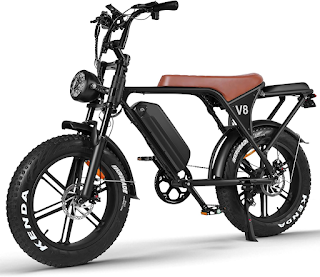
Buying an electric bike that fits your body is one of the most important steps you can take before hitting the road. A good fit means better comfort, better control, and less risk of injury, especially on longer rides.
As more people switch to e-bikes for commuting, fitness, and fun, proper sizing has never mattered more. In fact, the global e-bike market is already worth $32 billion in 2025 and is expected to grow to $120 billion by 2030.
With so many options on the market, finding the right frame size and style can feel overwhelming, but it doesn’t have to be.
This guide will walk you through everything you need to know about electric bike sizing, including how different measurements affect your comfort, how to choose the right frame type for your body, and why small tweaks can make a big difference.
Whether you’re a new rider or looking to upgrade, this simple sizing guide will help you pick a bike that feels just right.
Why E-Bike Fit Matters More Than You Think
Choosing the right e-bike size is not just about height. It’s about how your body interacts with the bike while riding. If your frame is too small, you’ll feel cramped. If it’s too big, the bike can feel awkward or even unsafe.
A well-fitting e-bike supports proper posture, keeps your back and joints happy, and helps you ride longer without fatigue. It also makes pedaling more efficient, so you’re not wasting energy with every mile.
Incorrect sizing can lead to wrist pain, lower back strain, and even knee problems over time. This is especially important for riders over 40 or anyone using e-bikes for long commutes or weekend touring.
In short, the right fit means better rides every time.
Key Measurements That Affect Fit
To get the best e-bike for your body, focus on a few key measurements that shape your riding experience.
Standover Height
Standover height is the distance from the ground to the top of the bike’s top tube. You should have at least 1 to 2 inches of clearance when standing over the bike, especially on traditional frames.
If the standover height is too high, getting on and off the bike can feel awkward. It can also become a safety issue when stopping quickly. If it’s too low, the frame might be too small, which could affect balance and power transfer.
Some brands list this measurement in their product details. If not, look for reviews or rider photos to estimate fit based on your inseam.
Seat Tube & Reach
The seat tube length determines how high or low the saddle can go, while reach refers to the horizontal distance from the seat to the handlebars. Both affect how stretched out or upright you’ll sit.
A seat that’s too low can cause knee strain, while a seat that’s too high can make pedaling inefficient. Ideally, your legs should be slightly bent at the bottom of your pedal stroke.
Reach is more about comfort in your upper body. If you’re too stretched forward, it can cause back or neck pain. An upright posture is easier on your joints and better for city riding.
Handlebar Height
Handlebar height affects your posture and control. Higher handlebars let you sit more upright, which reduces stress on your wrists, shoulders, and lower back.
If you want to ride more aggressively or gain speed, you might prefer lower handlebars. But for comfort-focused riders, especially older adults or commuters, a higher handlebar setup is often the better choice.
Some bikes come with adjustable stems so you can fine-tune the height to match your riding style.
Choosing the Right Frame Type for Your Body
The type of frame you choose plays a big role in how the bike fits and feels—especially when it comes to getting on and off.
Traditional frames, often shaped like a triangle, have a high top tube that you need to step over. These are popular for sportier rides and offer a stiffer, more performance-oriented feel. However, they’re not ideal if you have limited mobility or prefer an easier mount.
Step-through frames are designed with a low or curved top tube. These bikes are much easier to mount and dismount, making them perfect for shorter riders, seniors, or anyone dealing with joint pain or flexibility issues.
If you struggle with mounting tall bikes, especially with limited mobility, you might prefer a step-through e-bike for its easy access and upright comfort.
There’s also the “mid-step” or “step-over” frame, which offers a balance between the two styles. It gives you some of the stiffness and look of a traditional frame, but with easier access.
Ultimately, choose the frame that works with your body, not against it. Comfort and confidence should always come first.
E-Bike Wheel Size and Rider Height
Wheel size plays a role in how an e-bike feels, handles, and fits different riders. Most electric bikes come with 26″, 27.5″, or 29″ wheels. The larger the wheel, the smoother the ride over bumps and uneven terrain. Smaller wheels, on the other hand, offer quicker handling and are easier for shorter riders to control.
If you’re under 5’6″, a 26″ wheel often feels more manageable and gives better stand-over clearance. Taller riders, especially those over 6 feet, usually feel more comfortable with 27.5″ or 29″ wheels. Bigger wheels also help maintain momentum and feel more stable on long rides.
Foldable e-bikes often use 20″ wheels or smaller to save space. These can work for riders of all sizes, but they may not feel as stable on rough roads or at higher speeds. It’s a trade-off between portability and ride feel.
What to Do If You’re Between Sizes
If you fall between two e-bike sizes on a chart, don’t worry—it’s a common situation, and you usually have some flexibility. Most manufacturers list a height range that overlaps between frame sizes. In this case, the best choice depends on your body proportions and riding style.
A smaller frame can give you more control, especially in tight turns or stop-and-go city riding. It’s also a bit lighter and easier to mount.
On the other hand, a slightly larger frame can feel more stable at high speeds and may offer better leg extension for taller riders or those with long legs.
When in doubt, go with the size that matches your comfort and how you plan to ride. Also look for bikes with adjustable components like seatposts, stems, and handlebars. These features give you extra room to fine-tune your fit if the frame itself isn’t perfect.
Tips for Getting the Right Fit Before You Buy
Getting the right e-bike fit is easier when you know what to look for. Here are a few things that can help:
- Check size charts on the product page based on your height and inseam
- Compare the standover height to your inseam to make sure there’s enough clearance
- Look at rider reviews, especially from people around your height
- See if the bike has adjustability, like an adjustable stem or seatpost
- Try it in person, if possible, or buy from a brand with a solid return policy
- Consider step-through options if mounting the bike feels awkward or unsafe
Conclusion
Finding the right size electric bike isn’t just about numbers. It’s about how the bike feels when you ride it. A proper fit gives you better posture, comfort, and control, making every ride more enjoyable.
From checking standover height to choosing the right frame style and wheel size, each detail plays a part in how well your e-bike supports your body.
Take a few minutes to size it right, and you’ll save yourself a lot of discomfort down the road.