


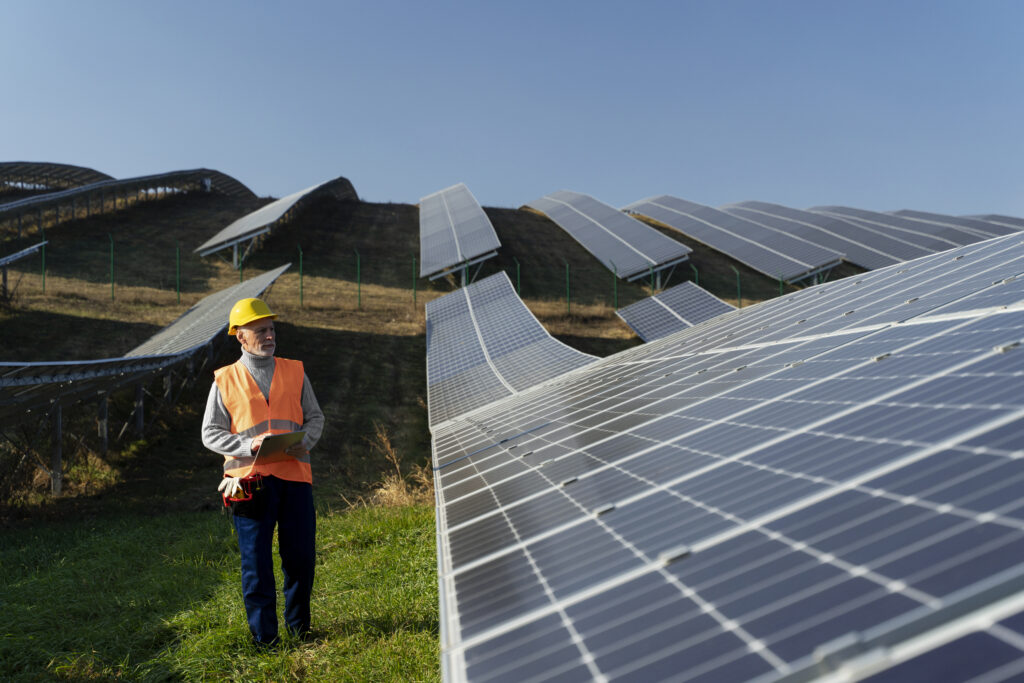
Choosing the best solar panel for your needs can be a daunting task, especially with the myriad of options available in the market today. Solar panels are a significant investment, and selecting the right one can make a substantial difference in your energy savings, environmental impact, and overall satisfaction. This guide will walk you through the critical factors to consider when choosing the best solar panel for your needs in the UK. We’ll cover types of solar panels, efficiency, cost, warranties, and the importance of finding the best solar panel installers.
1. Understanding the Types of Solar Panels
There are three main types of solar panels available on the market:
Monocrystalline Solar Panels
Monocrystalline panels are made from a single continuous crystal structure. They are known for their high efficiency and sleek appearance, making them a popular choice for residential installations. These panels typically offer the highest efficiency rates and longevity, but they also come with a higher price tag.
Polycrystalline Solar Panels
Polycrystalline panels are made from silicon crystals melted together. While they are generally less efficient than monocrystalline panels, they are more affordable. They have a bluish hue and are a common choice for those looking to balance efficiency and cost.
Thin-Film Solar Panels
Thin-film panels are made by depositing one or more layers of photovoltaic material onto a substrate. They are the least efficient but are lightweight, flexible, and can be used in a variety of applications. These panels are typically more suited for commercial or industrial installations rather than residential due to their lower efficiency.
2. Evaluating Solar Panel Efficiency
Efficiency refers to the amount of sunlight that a solar panel can convert into usable electricity. Higher efficiency panels generate more electricity in a given space, which can be particularly beneficial if you have limited roof space.
Monocrystalline panels generally have the highest efficiency rates, typically ranging between 15% to 20%. Polycrystalline panels usually have efficiencies between 13% to 16%, while thin-film panels range from 10% to 12%.
Why Efficiency Matters
Higher efficiency panels may cost more initially, but they can generate more electricity over the panel’s lifetime, offering better long-term savings. For homeowners with limited roof space, high-efficiency panels can provide the necessary power without requiring additional space.
3. Considering the Cost of Solar Panels
The cost of solar panels can vary widely based on the type, efficiency, brand, and installation complexity. When evaluating the cost, it is essential to consider the overall value rather than just the upfront price.
Factors Affecting Cost
- Type of Panel: Monocrystalline panels are generally more expensive due to their higher efficiency and manufacturing process.
- Efficiency: Higher efficiency panels usually come with a higher price tag but offer better long-term savings.
- Brand: Some brands are known for their quality and reliability, which can affect the price.
- Installation: The complexity of the installation can impact the total cost. It’s essential to get a quote from the best solar panel installers to understand the full cost.
Financial Incentives
In the UK, there are various incentives and financing options available to help offset the cost of solar panel installation. The Smart Export Guarantee (SEG) allows homeowners to sell excess electricity back to the grid, providing a steady income stream. Additionally, some local councils offer grants or loans to support renewable energy installations.
4. Warranties and Durability
When investing in solar panels, it is crucial to consider the warranty and durability of the panels. A good warranty can provide peace of mind and protect your investment.
Types of Warranties
- Product Warranty: This covers defects in materials or workmanship, typically ranging from 10 to 25 years.
- Performance Warranty: This guarantees that the panels will produce a certain amount of electricity over a specified period, often 25 years. It ensures that the panel’s efficiency will not drop below a certain percentage.
Durability
Solar panels are exposed to various weather conditions, so choosing panels that can withstand the UK climate is essential. Look for panels with high durability ratings, such as those that are certified to withstand hail, heavy rain, and high winds.
5. Finding the Best Solar Panel Installers
The quality of the installation is just as important as the quality of the solar panels. Poor installation can lead to decreased efficiency, damage, and even safety hazards.
Why Choose Professional Installers
Professional installers have the expertise and experience to ensure your solar panel system is installed correctly and safely. They can help with:
- Site Assessment: Evaluating your roof’s condition, orientation, and shading to design the most efficient system.
- Permits and Approvals: Handling the necessary paperwork and approvals from local authorities.
- Installation: Properly mounting and connecting the panels, inverters, and other components.
- Maintenance: Offering ongoing maintenance and support to keep your system running smoothly.
Certifications and Reviews
When choosing an installer, look for certifications from reputable industry organisations, such as the Microgeneration Certification Scheme (MCS) and membership in the Renewable Energy Consumer Code (RECC). Additionally, read customer reviews and testimonials to gauge the installer’s reputation and reliability.
6. Additional Considerations
Energy Storage Options
Consider whether you want to include an energy storage system with your solar panels. Battery storage allows you to store excess energy generated during the day for use at night or during cloudy periods. This can further increase your energy independence and savings.
Aesthetics
The appearance of solar panels can be a significant factor for some homeowners. Monocrystalline panels generally have a more uniform and sleek appearance, while polycrystalline panels have a bluish hue and a more fragmented look. Thin-film panels can offer a seamless appearance but are less efficient.
Future Expansion
Think about your future energy needs and whether you might want to expand your solar panel system later. Choosing an inverter with a higher capacity can make it easier to add more panels in the future.
7. Environmental Impact
Installing solar panels is a great way to reduce your carbon footprint and contribute to a more sustainable future. By generating your own renewable energy, you can decrease your reliance on fossil fuels and reduce greenhouse gas emissions.
Recycling and Disposal
Consider the end-of-life disposal of your solar panels. Some manufacturers offer recycling programs to ensure that old panels are disposed of responsibly. This can further reduce the environmental impact of your solar panel system.
Conclusion
Choosing the best solar panel for your needs involves considering several factors, including the type of panel, efficiency, cost, warranties, and the quality of the installation. By understanding these factors and working with the best solar panel installers.
Investing in solar panels is a smart decision that can lead to significant savings, increased property value, and a positive environmental impact. By taking the time to research and make informed decisions, you can enjoy the numerous advantages of solar energy and contribute to a more sustainable future.