In recent years, holistic skincare has become one of the fastest-growing trends in the UK. It represents a shift from purely cosmetic routines to comprehensive wellness practices that nourish the skin, body, and mind. Consumers are increasingly drawn to products and treatments that combine natural ingredients, ancient healing techniques, and cutting-edge science to deliver results while supporting overall well-being.
The Growing Demand for Natural Ingredients
One of the most noticeable trends in holistic skincare is the renewed interest in natural ingredients. People want products free from harsh chemicals and synthetic additives, favouring those derived from plants, fungi, and minerals. Adaptogenic mushrooms like reishi and snow mushrooms are now widely celebrated for their ability to soothe inflammation, promote hydration, and defend against environmental stressors. These ingredients offer antioxidant benefits that protect skin cells and support long-term skin health.
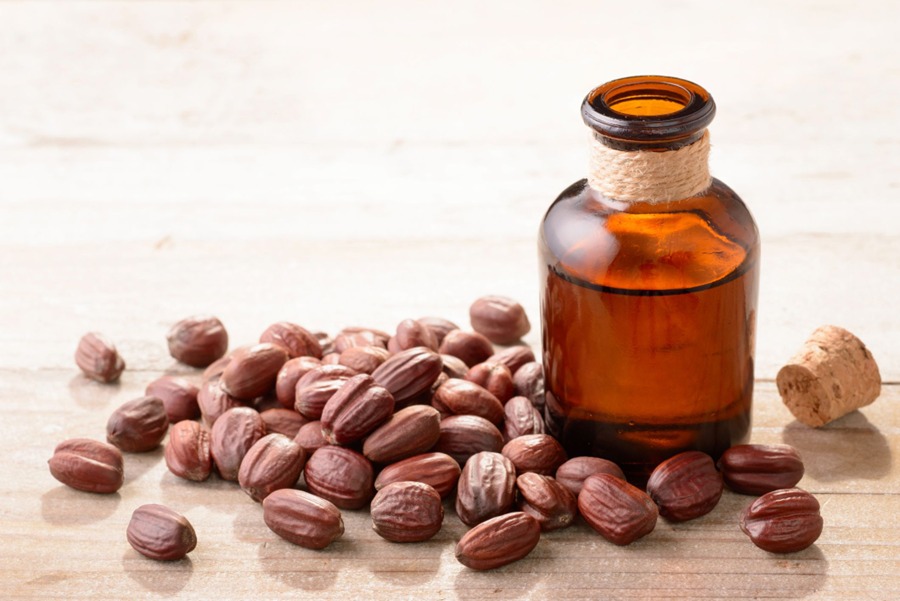
Similarly, plant oils such as baobab, jojoba, camellia, and pomegranate have risen in popularity. Rich in vitamins and fatty acids, these oils work to strengthen the skin’s natural barrier, improve elasticity, and provide nourishment. Their versatility allows them to be used in everything from moisturisers to serums and facial oils.
The UK’s wellness community has embraced these natural elements not just for their efficacy but also for their sustainability. Ethical sourcing and environmental responsibility have become important factors influencing purchase decisions. Consumers want skincare that aligns with their values, ensuring the health of both skin and planet.
Ancient Healing Techniques in Modern Skincare
Holistic skincare goes beyond topical treatments, incorporating traditional healing practices that stimulate the skin and support internal balance. Techniques such as gua sha—an ancient Chinese practice involving the scraping of the skin with a smooth tool—are now commonly featured in luxury spas and wellness centres. This method improves circulation, reduces puffiness, and promotes lymphatic drainage.
Facial acupressure, rooted in traditional Chinese medicine, is another technique gaining traction. By applying pressure to specific points on the face, it helps release tension and encourages skin regeneration. Similarly, Ayurvedic rituals, based on Indian holistic medicine, use bespoke blends of herbs and oils tailored to one’s unique constitution. This personalised approach aims to restore balance not only to the skin but also to overall health.
These ancient methods are frequently combined with modern spa technologies to create treatments that feel both restorative and effective. Many skincare professionals now recommend these rituals as part of daily self-care routines, emphasising the mind-body connection crucial to true skin wellness.
Science-Backed Innovations in Holistic Skincare
While natural ingredients and traditional techniques form the foundation of holistic skincare, scientific advancements play a critical role in validating and enhancing their effectiveness. Modern cosmetic science has introduced bioferments, peptides, and growth factors that accelerate skin repair, reduce inflammation, and improve texture.
Biotechnology allows for the precise extraction and concentration of active compounds, ensuring maximum potency with minimal irritation. For example, biofermented ingredients not only improve the bioavailability of nutrients but also support the skin’s microbiome—the community of beneficial microorganisms that keep skin healthy and resilient.
Additionally, the rise of personalised skincare—powered by genetic testing and AI—enables treatments tailored to individual skin types and concerns. This bespoke approach aligns perfectly with holistic philosophy, which emphasises treating the whole person rather than just the symptoms.
Sustainability is also a key priority, with many brands adopting eco-friendly packaging and sourcing ingredients responsibly. This reflects a growing awareness that skin health cannot be separated from environmental health.
Skincare Brands Gaining Popularity in London’s Luxury Spas
Among the brands shaping this holistic skincare movement in the UK are those blending ancient wisdom with modern innovation. These companies have quietly established themselves in prestigious spas and treatment centres across London, attracting consumers seeking effective yet gentle solutions.
Dr. Dennis Gross is a notable example, offering products that combine dermatological expertise with plant-based ingredients and mineral-rich elements sourced from diverse regions. This synergy of science and nature addresses various skin concerns while honouring holistic principles.
Other emerging brands such as Fre Skin, Keren Bar Tov, and Biopeptix have also gained recognition for their focus on bioactive peptides, antioxidants, and botanical extracts. These products aim to enhance the skin’s natural regenerative abilities and reinforce its protective barrier without relying on harsh chemicals.
What distinguishes these brands is their commitment to merging traditional healing philosophies with scientific rigour. Their formulations often feature ingredients like pomegranate, jojoba, and marine extracts, renowned for their anti-inflammatory and healing properties. This makes them ideal for clients looking to connect with nature through their skincare while benefiting from proven, advanced technology.
The increasing presence of these thoughtfully crafted brands in luxury wellness settings reflects a broader cultural shift. Wellness is no longer a lifestyle trend but a holistic state that encompasses physical, emotional, and environmental health.
The Future of Holistic Skincare in the UK
Looking ahead, holistic skincare is expected to evolve with deeper integration of wellness disciplines and technological innovations. Consumers will demand greater transparency, efficacy, and sustainability from brands. This will drive further research into natural ingredients and their synergy with scientific compounds.
Moreover, personalised skincare will become more accessible, supported by digital diagnostics and AI-powered product recommendations. Integrating mindfulness practices and stress-reduction techniques into skincare routines will also become standard, recognising the profound impact of mental health on skin appearance.
Ultimately, the holistic approach will continue to redefine beauty standards in the UK, shifting focus from surface-level fixes to nurturing long-term skin health and overall wellbeing.