


In today’s world, efficient heating, ventilation, and air conditioning (HVAC) systems cannot be overstated, especially for commercial properties. These systems are integral to maintaining a comfortable and safe environment for employees, clients, and customers. Commercial HVAC services encompass a wide range of activities, from installation and maintenance to repair and replacement, ensuring that the systems function optimally throughout their lifespan. We will delve into the various aspects of commercial HVAC services, highlighting their importance, the types of services offered, the benefits of regular maintenance, and the latest advancements in HVAC technology.
Importance of Commercial HVAC Services
Are you looking for commercial HVAC services in Vancouver? The significance of commercial HVAC services is multifaceted. At the core, these services ensure that indoor environments remain comfortable and conducive to work, directly impacting productivity and employee well-being. A well-maintained HVAC system regulates temperature, improves air quality, and ensures proper ventilation, reducing the risk of health issues related to poor indoor air conditions. Moreover, efficient HVAC systems are crucial for energy conservation. With the rising energy cost, businesses can significantly reduce operational expenses through optimized HVAC performance. Additionally, regular HVAC maintenance helps identify and rectify potential issues before they escalate into significant problems, thereby avoiding costly repairs and downtime. This proactive approach not only extends the lifespan of the HVAC systems but also contributes to the overall sustainability goals of a business.
Types of Commercial HVAC Services
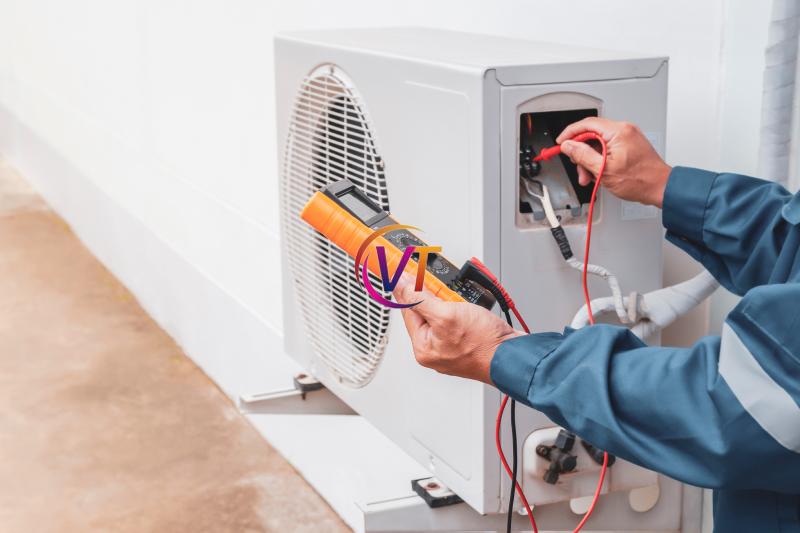
Commercial HVAC services encompass a broad spectrum of activities tailored to meet the specific needs of different businesses. These services can be broadly categorized into installation, maintenance, repair, and replacement. Installation involves setting up new HVAC systems, which requires a thorough understanding of the building’s layout, the specific heating and cooling needs, and the most efficient system design. Maintenance services include routine inspections, cleaning, and servicing of HVAC components to ensure they operate efficiently. This involves checking refrigerant levels, inspecting and cleaning coils, and replacing filters. AC Repair services are crucial for addressing malfunctions or breakdowns, ensuring minimal disruption to business operations. Finally, replacement services come into play when an HVAC system ends its helpful life or upgrades to a more efficient one. Each service requires a high level of expertise and should be performed by certified professionals to ensure safety and efficiency.
Benefits of Regular HVAC Maintenance
Regular maintenance of commercial HVAC systems offers numerous benefits beyond mere comfort. Firstly, it enhances energy efficiency, leading to significant cost savings on utility bills. Well-maintained systems can work less hard to achieve the desired temperature, thereby consuming less energy. Secondly, regular maintenance improves the reliability and lifespan of the HVAC systems. By routinely checking and servicing the system components, potential issues can be identified and rectified before they cause significant damage. This proactive approach extends the systems’ operational life and minimizes the risk of unexpected breakdowns and the associated downtime.
Additionally, regular maintenance contributes to better indoor air quality. Clean filters and ducts prevent the circulation of dust, allergens, and other pollutants, creating a healthier environment for building occupants. Lastly, well-maintained HVAC systems comply with safety and regulatory standards, reducing the risk of accidents and ensuring that the business meets all relevant compliance requirements.
Advanced HVAC Technologies
The HVAC industry has witnessed significant technological advancements to improve efficiency, performance, and user convenience. One of the most notable advancements is the integration of innovative HVAC systems. These systems use Internet of Things (IoT) technology to provide real-time monitoring and control of HVAC functions. Smart thermostats, for instance, can learn the preferences of building occupants and adjust the temperature settings accordingly, ensuring optimal comfort and energy savings. Variable Refrigerant Flow (VRF) systems are another innovative technology that allows for precise control of heating and cooling in different zones within a building. This enhances comfort and improves energy efficiency by eliminating the need to heat or cool unoccupied spaces. Energy recovery ventilation (ERV) systems are designed to improve indoor air quality by exchanging stale indoor air with fresh outdoor air while recovering energy from the exhaust air. This reduces the load on HVAC systems and improves overall energy efficiency. Additionally, advancements in HVAC software allow for predictive maintenance, where data analytics are used to predict potential failures and schedule maintenance before issues arise, ensuring uninterrupted operation and optimal performance.
Commercial HVAC services are pivotal in ensuring business environments’ comfort, efficiency, and sustainability. From installation to maintenance and repair, these services encompass various activities requiring specialized knowledge and expertise. Regular maintenance is essential for maximizing the performance and lifespan of HVAC systems, while advanced technologies and best practices help achieve greater energy efficiency and indoor air quality. As the industry continues to evolve, adopting intelligent systems, AI, and renewable energy solutions will further enhance the capabilities of HVAC systems, contributing to more sustainable and cost-effective commercial operations. For businesses, investing in professional HVAC services and staying abreast of the latest trends is crucial for maintaining a productive and healthy indoor environment.