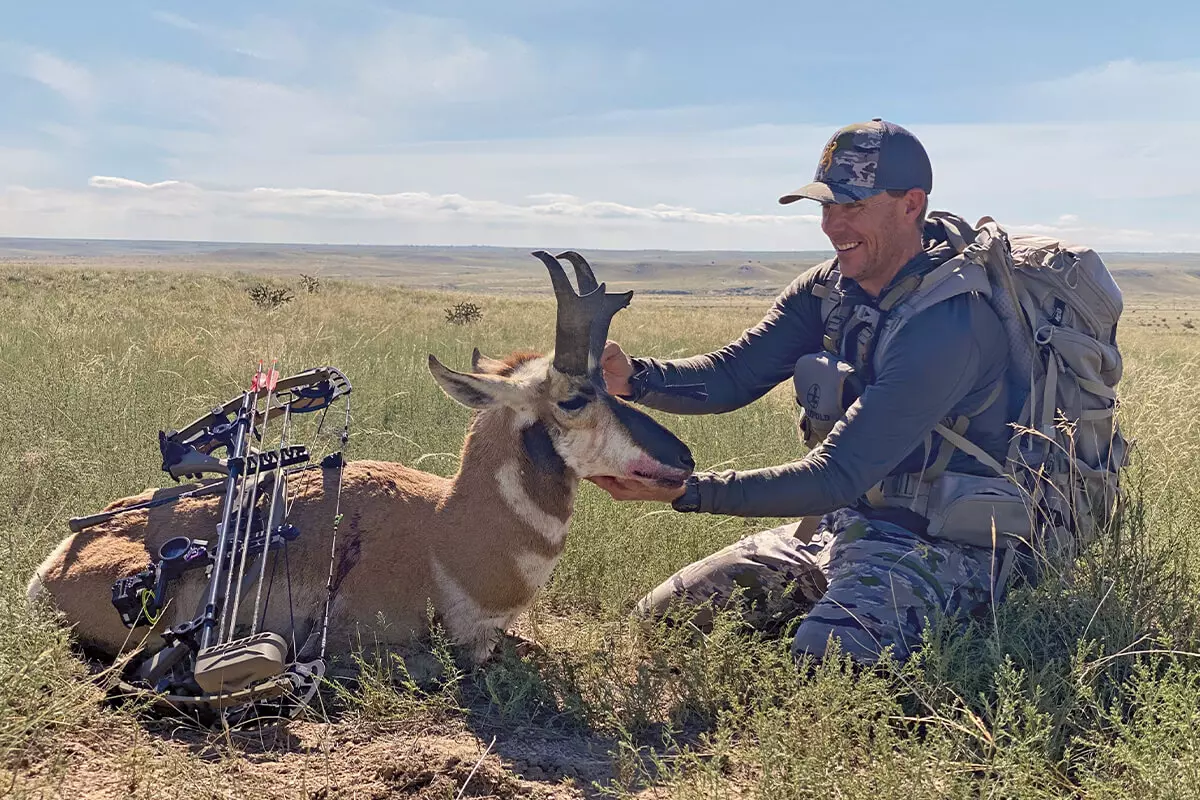
Embarking on a western big-game hunt is an adventure that combines tradition, skill, and the raw beauty of the wilderness. Whether you are pursuing elk in the Rockies, mule deer across wide prairies, or pronghorn in open sagebrush country, preparation is key. Success depends not only on marksmanship but also on research, physical readiness, and respect for the natural environment.
This guide will help hunters navigate the essential steps required to make the most out of this incredible outdoor experience.
Research Game Species and Seasons
The first step is identifying which species you want to pursue. Western states offer opportunities for elk, mule deer, pronghorn, moose, bighorn sheep, and even mountain goats. Each species has unique behavior patterns, habitats, and hunting challenges.
Hunting regulations and seasons vary by state and species. For example, elk rutting seasons usually occur in September, making archery hunts during this time thrilling due to bugling activity. Mule deer are often best hunted during the late fall when they migrate or during the rut. Researching season dates and state-specific rules ensures compliance and maximizes your chances of success.
Choose the Right Location
Public lands in the western United States provide millions of acres open to hunters. National forests, Bureau of Land Management (BLM) properties, and wilderness areas are popular choices. Some hunters also prefer private ranch hunts for access to less-pressured game.
Study maps, topography, and access points well in advance. Many hunters use digital mapping tools, GPS apps, and scouting reports to find promising areas. Scouting—either in person or digitally—helps identify game trails, feeding zones, and water sources crucial for locating animals.
Physical Preparation
Western hunts are physically demanding. Rugged terrain, high elevations, and long hikes with heavy gear require strong endurance. Hunters should begin training months ahead with a focus on cardiovascular fitness, leg strength, and core stability.
Carrying a loaded backpack during hikes can help simulate real hunting conditions. Acclimating to higher elevations before the season also reduces fatigue and improves stamina in the field.
Gear and Equipment Essentials
Choosing the right gear makes a significant difference. Key items include:
- Optics: High-quality binoculars and spotting scopes are indispensable for glassing long distances.
- Firearms or Bows: Select a reliable rifle or bow suited to the species you are targeting. Practice regularly before the season.
- Clothing: Layered clothing, moisture-wicking fabrics, and weather-resistant outerwear are essential for rapidly changing conditions.
- Backpack: A durable pack should carry food, water, safety gear, and tools for field dressing game.
- Navigation Tools: GPS devices, maps, and compasses ensure you stay on course.
Licensing and Permits
Western states often use lottery systems, also known as “draws,” for distributing hunting tags. Some species, like moose or bighorn sheep, are extremely limited and may take years to draw. Other hunts, such as over-the-counter elk or deer tags, are more accessible.
Plan early by applying for draws well before deadlines. Understanding preference points and bonus point systems helps maximize future opportunities.
Hiring Guides or DIY Hunts
Hunters can choose between hiring a professional guide or pursuing a do-it-yourself (DIY) adventure. Guided hunts provide local expertise, equipment, and scouting advantages, making them ideal for first-time hunters or those targeting difficult species.
DIY hunts, however, offer a greater sense of independence and often cost less. Success requires more preparation, but many hunters find it rewarding to rely solely on their own skills.
Ethics and Conservation
Responsible hunting supports conservation efforts. Purchasing licenses and tags contributes directly to wildlife management and habitat preservation. Hunters should always practice ethical shot placement, respect bag limits, and follow leave-no-trace principles in the wilderness.
Participating in conservation organizations and supporting sustainable wildlife practices ensures that future generations can enjoy the same opportunities.
Taking the First Step
For anyone inspired to plan a western big-game hunt, the journey begins long before stepping foot in the field. From selecting your target species to training your body and securing permits, preparation is the foundation of success.
Every hunt is unique, blending challenge, patience, and connection to the wild. With careful planning and respect for nature, a western big-game hunt can become one of the most memorable adventures of a lifetime.