Introduction
The modern digital agency landscape is more competitive than ever, and collaboration plays a vital role in delivering projects efficiently. Teams are often distributed, working across different time zones and relying on diverse digital tools. In this environment, traditional workflows can create bottlenecks, delay communication, and reduce overall productivity. That’s where AI-driven workflows step in, redefining how collaboration happens in the digital age.
Why Traditional Collaboration Is Falling Behind
Collaboration in agencies has historically relied on manual project management, human-driven scheduling, and endless back-and-forth communication. While these methods worked in smaller setups, they often fail when projects scale or when multiple campaigns run simultaneously. The lack of automation leads to:
- Missed deadlines due to human error.
- Overlap in responsibilities.
- Limited visibility across teams.
- Excessive time spent on repetitive tasks instead of creative strategy.
These pain points highlight the need for a smarter, AI-enabled approach.
How AI-Driven Workflows Transform Collaboration
Artificial intelligence introduces automation, predictive analytics, and intelligent recommendations into everyday workflows. This not only improves efficiency but also allows teams to focus on innovation rather than administrative tasks. Here’s how AI is shaping collaboration in a digital agency:
1. Smarter Task Management
AI can prioritize tasks based on deadlines, resource availability, and overall impact. Instead of project managers manually sorting through tasks, AI systems dynamically adjust priorities to keep projects on track.
2. Real-Time Communication Enhancements
AI-powered chatbots and virtual assistants reduce miscommunication by answering team questions instantly, summarizing meetings, and even translating content for international teams.
3. Automated Reporting
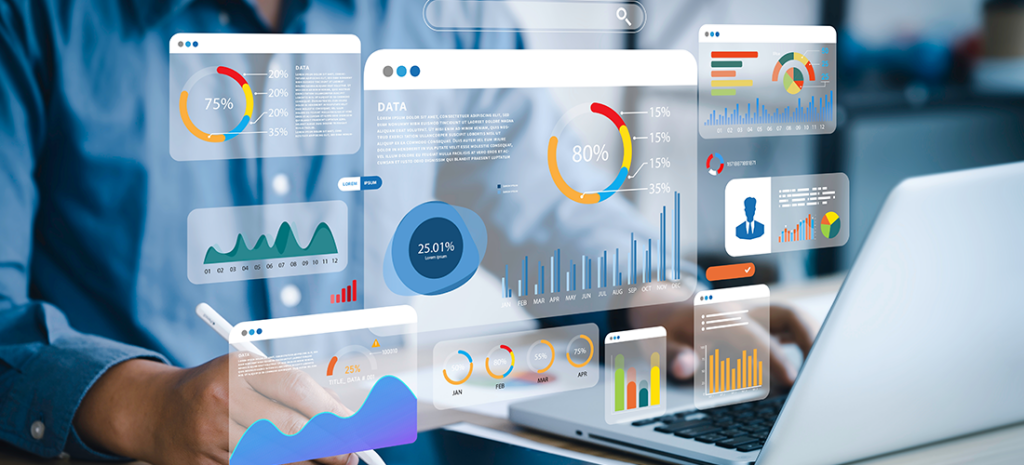
Instead of spending hours compiling performance reports, AI can analyze campaign data and generate real-time insights. This enables teams to make quick, data-driven decisions without waiting for manual reports.
4. Enhanced Creativity Support
By automating repetitive tasks, AI frees up creative professionals to focus on strategic thinking, design innovation, and storytelling—areas where human input remains irreplaceable.
The Role of Predictive Analytics in Teamwork
Predictive analytics is a cornerstone of AI-driven workflows. For agencies, it means forecasting project risks, budget overruns, or potential client dissatisfaction before they occur. This allows leaders to allocate resources more effectively and resolve issues proactively, creating smoother collaboration across all departments.
Benefits for a Digital Agency Adopting AI Workflows
The advantages of embracing AI are not just operational but also cultural:
- Efficiency Gains: Faster project turnaround times.
- Transparency: Clear visibility into who is doing what and when.
- Scalability: Ability to handle more projects without increasing overhead.
- Employee Satisfaction: Less burnout due to reduced repetitive tasks.
- Client Trust: Higher accuracy and reliability build stronger client relationships.
Overcoming Challenges in AI-Driven Collaboration
While the future is promising, agencies may face hurdles when transitioning to AI workflows:
- Learning Curve: Teams need time and training to adapt.
- Data Dependence: AI thrives on quality data, requiring careful integration.
- Balance: It’s essential not to over-automate and lose the human touch in creative processes.
By addressing these challenges with proper planning, agencies can harness AI as a partner rather than a replacement.
What the Future Holds
The future of collaboration in a digital agency is clearly leaning toward AI integration. Workflows will become more adaptive, communication more seamless, and decision-making more informed. Agencies that embrace AI now will set themselves apart by delivering faster, smarter, and more creative results for their clients.
Conclusion
Collaboration is the backbone of success for any digital agency, and AI-driven workflows are the next big leap in making that collaboration more efficient and effective. By adopting AI, agencies can unlock new levels of productivity, empower creative teams, and deliver exceptional outcomes in an increasingly competitive market.