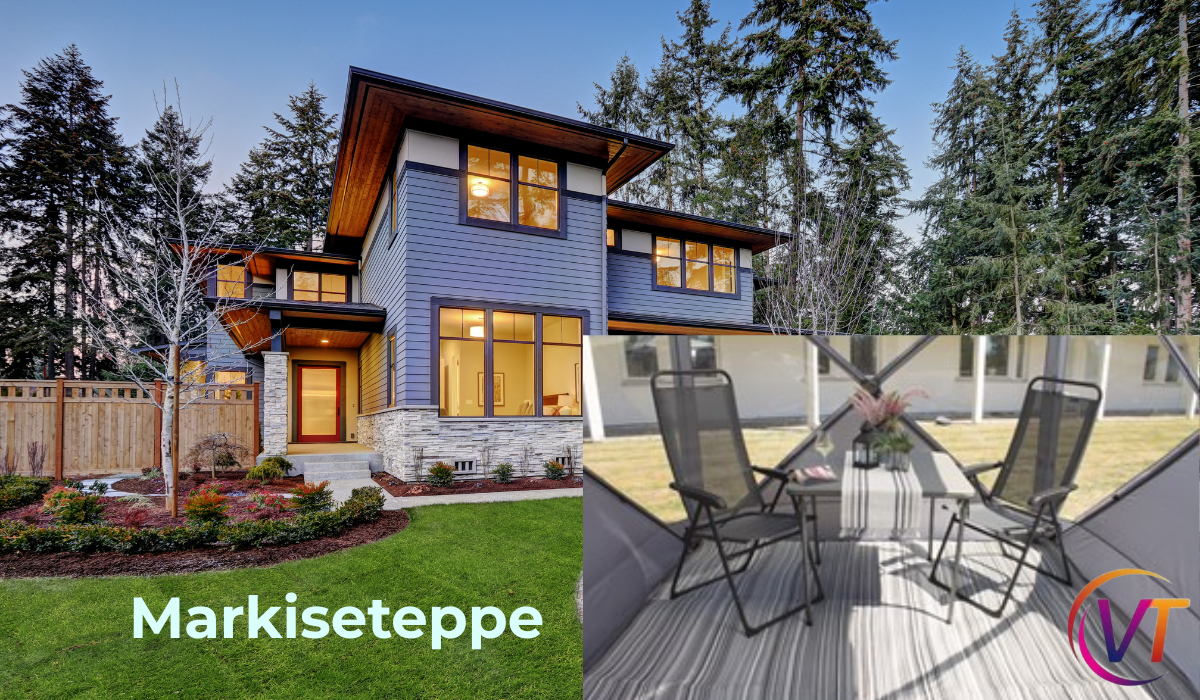
Markiseteppe is rapidly becoming a household name in the world of outdoor design and protection. Whether you’re aiming to shield your terrace from the scorching summer sun or simply enhance the aesthetic of your outdoor area, a markiseteppe offers a perfect combination of function and style. But what exactly is it? Why is it gaining popularity? And how do you choose the right one?
This in-depth guide explores the world of markiseteppe—its benefits, different types, installation process, care tips, and how to find the best model for your needs.
What Is a Markiseteppe?
A markiseteppe, also referred to as a marquee awning, is an external shading solution designed to provide protection from the sun, wind, and sometimes even rain. These awnings are typically mounted above windows, patios, terraces, or storefronts and can be manually or electrically operated.
Originally more common in Southern Europe, markiseteppe is now found in homes and commercial spaces across the globe, particularly in areas with variable weather patterns and a need for stylish yet functional shade.
Why Choose a Markiseteppe?
Choosing a markiseteppe over other shading options brings a number of unique advantages. Here’s why this outdoor feature stands out:
- Aesthetic Appeal: A markiseteppe adds a modern or classic touch to any facade. Available in a variety of colors, materials, and designs, they seamlessly blend with both contemporary and traditional architecture.
- Sun Protection: Designed to block UV rays, a quality markiseteppe significantly reduces heat buildup inside your home or business while keeping outdoor spaces comfortable.
- Energy Efficiency: By limiting direct sunlight, these awnings reduce the need for air conditioning—saving energy and lowering bills.
- Flexibility: Whether retractable or fixed, motorized or manual, the customization options for markiseteppe are nearly limitless.
- Increased Property Value: Well-designed outdoor installations like markiseteppe can add to a property’s curb appeal and resale value.
Popular Types of Markiseteppe
Though the general term “markiseteppe” can refer to many styles of outdoor awnings, the following types are most commonly used in both residential and commercial settings:
1. Retractable Markiseteppe
One of the most popular options, retractable models allow users to extend or withdraw the awning as needed. These are ideal for places with changing weather conditions and are available in manual crank or motorized versions.
2. Cassette Markiseteppe
This model features a fully enclosed cassette that protects the fabric and components when the awning is not in use. A cassette markiseteppe is especially recommended for areas with harsh weather or for those looking for a sleek, minimalist look.
3. Pergola-Style Markiseteppe
This variation is a hybrid between a pergola and a classic awning. It’s supported by legs and can cover larger areas like patios or gardens. Ideal for outdoor dining spaces or cafes, pergola markiseteppe offers full weather resistance.
Materials and Fabrics: What Makes the Best Markiseteppe?
Choosing the right material is crucial for both durability and aesthetics. Here are the most common options:
- Acrylic Fabric: Known for color retention and water repellency, acrylic is one of the most durable options for markiseteppe.
- Polyester: Lightweight and cost-effective, polyester is great for temporary or budget installations, though it may fade over time.
- PVC-Coated Polyester: Offers excellent waterproofing and durability, making it suitable for areas with heavy rainfall.
- Aluminum Frame: Most high-quality markiseteppe use powder-coated aluminum for a rust-proof and lightweight frame.
Design Options: Customizing Your Markiseteppe
Customization plays a key role in ensuring your markiseteppe fits seamlessly with your property’s design language. Here’s what you can tailor:
- Colors and Patterns: From solid shades to striped or textured patterns, markiseteppe can be matched with your home’s facade.
- Valances and Edges: Decorative valances add a traditional touch and are available in straight, wavy, or scalloped styles.
- Lighting and Sensors: Add LED lighting for ambiance or weather sensors for automatic retraction during wind or rain.
- Motorization and Smart Controls: Many modern markiseteppe can be operated via remote control, smartphone app, or even voice command.
Installation Process: DIY or Professional?
DIY Installation
Some retractable or small-scale markiseteppe can be installed by competent DIY enthusiasts. However, this often requires tools like drills, levelers, and wall anchors. Follow manufacturer instructions precisely, especially for mounting height and angle.
Professional Installation
For larger or motorized units, professional installation is highly recommended. Professionals ensure proper alignment, load-bearing safety, and integration with home automation if needed.
Maintenance Tips for Longevity
Keeping your markiseteppe in excellent condition will extend its life and maintain its visual appeal. Here are some practical care tips:
- Regular Cleaning: Use a soft brush and mild detergent to clean the fabric. Avoid high-pressure hoses, which can damage the waterproofing.
- Inspect for Damage: Regularly check for rips, loose screws, or frayed cords. Early detection can prevent costly repairs.
- Winter Storage: If your model isn’t built for snow, retract or remove it during the winter months.
- Lubricate Moving Parts: Hinges, joints, and motors should be checked and oiled at least once a year.
Markiseteppe vs. Pergola vs. Parasol
Consumers often compare markiseteppe with other shading solutions. Here’s how they stack up:
| Feature | Markiseteppe | Pergola | Parasol |
|---|---|---|---|
| Shade Coverage | Moderate to Full | Full (with roof) | Limited |
| Aesthetic Appeal | High | High | Moderate |
| Customization | Extensive | Extensive | Limited |
| Portability | Low | Fixed | High |
| Cost | Moderate | High | Low to Moderate |
| Automation Options | Yes | Sometimes | Rare |
Environmental Impact and Sustainability
Eco-conscious homeowners often wonder how sustainable a markiseteppe is. The good news is that many manufacturers now offer:
- Recyclable Materials: Frames made from recyclable aluminum and PVC-free fabrics.
- Energy Savings: Reduction in indoor cooling needs means a smaller carbon footprint.
- Long Lifespan: High-quality models last up to 15-20 years with minimal maintenance.
Opting for environmentally certified products, such as those with OEKO-TEX® or GREENGUARD labels, ensures a safer and more sustainable investment.
Choosing the Right Supplier
Not all markiseteppe are created equal. To ensure quality and peace of mind, consider the following when choosing a vendor:
- Warranty Coverage: Look for suppliers that offer at least a 5-year warranty on fabric and frame.
- Customer Reviews: A reputable supplier will have positive feedback on installation quality and after-sales support.
- Customization Options: More choices in fabric, color, size, and motorization indicate a more advanced supplier.
- Local Service: A local installer or supplier can provide better support and understand climate-specific needs.
Pricing and Budgeting for Your Markiseteppe
Prices for a markiseteppe can vary based on size, material, and features. Here’s a general range to help you plan:
- Basic Manual Awning: $200–$600
- Mid-Range Retractable: $700–$1,500
- Motorized or Cassette Models: $1,800–$3,500+
- Custom Large Installations: $4,000–$10,000+
Keep in mind that additional features like lighting, smart sensors, or high-end fabrics can increase the cost.
Common Myths About Markiseteppe
Let’s bust some myths that often surround the concept of markiseteppe:
- “They’re outdated.” → Modern designs are sleek, automated, and customizable.
- “Only suitable for sunny regions.” → With waterproofing and wind sensors, they work well in diverse climates.
- “Difficult to maintain.” → With occasional cleaning and seasonal care, they are relatively low-maintenance.
Future Trends in Markiseteppe Design
As outdoor living continues to evolve, so does the design and functionality of markiseteppe. Expect to see more of:
- Solar-Powered Motors: Reducing electrical usage while staying eco-friendly.
- AI-Based Weather Response: Systems that automatically adjust to light, wind, and rain patterns.
- Minimalist Design: Hidden mechanisms, clean lines, and subtle tones dominate current trends.
- Smart Home Integration: Seamless control via smart assistants like Alexa or Google Home.
Final Thoughts: Is a Markiseteppe Worth It?
If you’re looking to combine elegance with practicality, then investing in a markiseteppe is a smart move. From energy efficiency and comfort to style and value, it offers a well-rounded solution for modern living.
Whether for a chic urban balcony or a spacious countryside terrace, there’s a markiseteppe design that will elevate your outdoor lifestyle while providing essential protection from the elements.
Read Also:- Cineby