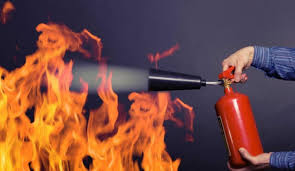
Our home is our safe space – that much is clear. At the risk of stating the obvious, in order for this safe space to actually be safe, we need to make it that way. While many of us think a house fire won’t happen to us, the truth is that thousands of house fires occur every year, leading to significant property damage or even fatal incidents. By taking a few precautionary measures, you can drastically reduce the chances of that disaster happening to your house.
Install Smoke Alarms and Maintain Them
Smoke alarms are a vital part of any defence line, whether you’re using a wired, wireless fire alarm system, or any other solution. They’re going to alert you to danger before it spreads and give you enough time to react – whether there’s still time to put your fire extinguisher to good use or it’s time to evacuate everyone to safety. Here’s how to ensure your smoke alarms are effective:
- Place smoke alarms on every floor of your house and in key areas such as the kitchen, hallway, and bedrooms.
- Test smoke alarms monthly by pressing the test button.
- Replace batteries annually and the unit itself every 10 years.
Create and Practice an Escape Plan
In case of a fire, you need to have a plan that your entire family knows and can follow. It has to be simple and straightforward. This may sound a little excessive to many but have it printed out and laminated for every family member. When in danger, we tend to lose the ability of logical thinking. This can be a good reminder of what to do – and a literal lifesaver. Consider the following steps:
- Map out two escape routes from every room, if possible.
- Designate a meeting spot outside your home.
- Practice the escape plan twice a year, and make sure children understand how to respond.
Good Kitchen Practices
The kitchen is one of the most common places where house fires start, mainly due to unattended cooking. To minimize the risk:
- Never leave cooking unattended, especially when using oil or high heat.
- Keep flammable objects, like towels or paper, away from stovetops.
- Have a fire extinguisher in the kitchen and know how to use it.
Electrical Safety
Electrical malfunctions are another leading cause of house fires so it’s crucial to be very careful with them. The good news is you don’t really have to do too much. Avoid fire hazards by:
- Not overloading outlets or extension cords.
- Replacing frayed or damaged wires.
- Hiring an electrician for any repair that involves wiring.
Heaters and Fireplaces
Space heaters and fireplaces can warm your home, but they also pose a fire risk. Keep these tips in mind:
- Keep heaters at least 3 feet away from anything flammable.
- Use screens for fireplaces, and have your chimney cleaned regularly to prevent the build-up of flammable creosote.
Prevention is Key
Prevention is indeed a key to safety. That’s true in other aspects of life as well. It’s much easier to prevent the disease than treat it. And it’s much easier to prevent the fire from happening in the first place than it is to put it out. Fire safety is about taking proactive steps to prevent fire hazards and ensuring you know what to do in case of an emergency. You have to know enough as that’s going to help you keep your cool and not panic, which is the worst thing one could do in the face of emergency and adversity. It doesn’t take that much to be safe – and it’s worth any effort!