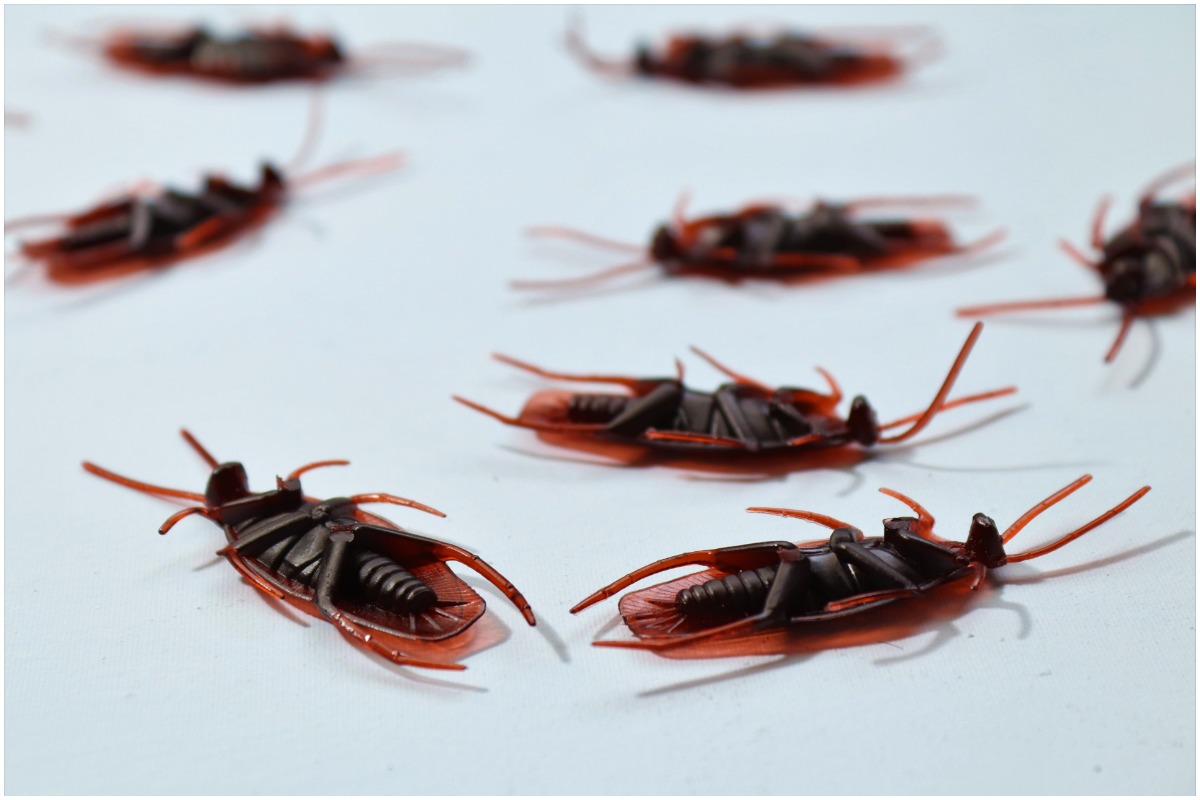
Discovering an infestation can be overwhelming. If you’re wondering what to do if my apartment is infested with roaches, you’re not alone. Roaches are more than just pests; they can cause health problems and make your home unlivable. Immediate action is necessary, and it’s important to know your rights as a tenant.
Identifying an Infestation
Roaches are nocturnal creatures. You might not see them during the day, but that doesn’t mean they aren’t there. Common signs of an infestation include
- Droppings. Small, black specks found around the kitchen, under sinks, or in dark corners.
- Egg cases. Long, brown, oval-shaped capsules that roaches leave behind.
- Shed skins. Roaches shed their exoskeletons as they grow.
- Unpleasant smell. A musty odor can indicate a heavy infestation.
If you spot any of these signs, immediate action is critical.
Why Roaches Are Dangerous
Roaches carry bacteria like E. coli and salmonella. Their droppings can trigger allergies and asthma. This is especially harmful for children, the elderly, or anyone with respiratory conditions. Roaches contaminate surfaces and food, making your kitchen a dangerous place if left unchecked.
Causes of a Roach Infestation
Roaches are drawn to food, water, and shelter. If your apartment provides these, they’ll make themselves at home. Leaky pipes, dirty dishes, or even crumbs on the floor can be enough to attract them. Even the cleanest apartments can become infested if there’s easy access to food and water.
First Steps After Discovering Roaches
Once you confirm an infestation, your first instinct might be to panic. Instead, take these steps immediately
- Clean everything. Deep clean your apartment, especially in areas where food is stored or consumed. Roaches thrive on crumbs, so make sure counters, floors, and cabinets are spotless.
- Eliminate water sources. Roaches need water to survive. Fix any leaks in your apartment and make sure no water is left standing in sinks or bathtubs.
- Seal entry points. Roaches can squeeze through cracks, vents, and gaps around pipes. Use caulk to seal potential entry points.
- Set traps. Gel baits and sticky traps can help reduce the population. These traps are easy to find at hardware stores or online.
- Inform your landlord. In many cases, dealing with roach infestations is your landlord’s responsibility. If your apartment has roaches, notify them in writing immediately.
Professional Extermination
If the infestation is severe, professional help may be your best option. Exterminators have access to stronger treatments and can target the problem at its source. Ask your landlord to arrange for pest control services. In some cases, your landlord is legally required to take care of the problem.
Preventing Future Infestations
Once you’ve eliminated the roaches, keep them from coming back by following these steps
- Regularly clean your apartment. Roaches are drawn to food. Wipe down counters, sweep floors, and take out the trash daily.
- Store food in airtight containers. Roaches can chew through plastic bags and cardboard boxes. Store all food, including pet food, in sealed containers.
- Fix leaks and reduce moisture. Roaches need water to survive. Even a small leak under the sink can provide them with enough moisture to thrive. Use a dehumidifier in damp areas like basements.
- Seal cracks and holes. Check around windows, doors, and pipes for gaps. Roaches can enter through the smallest spaces. Regularly inspect your apartment for potential entry points.
Legal Rights for Tenants
If your apartment is infested with roaches, your landlord has a legal obligation to provide a pest-free living environment. Here are steps you can take if your landlord fails to act
- Document everything. Keep records of when you first noticed the roaches, when you notified your landlord, and any action they’ve taken.
- Send written complaints. Verbal complaints aren’t enough. Always send a written notice about the infestation. Email or certified mail works well for this.
- Request an exterminator. If your landlord refuses to provide one, you may be able to hire an exterminator yourself and deduct the cost from your rent, depending on local laws.
- Withhold rent. In extreme cases, you might be able to withhold rent until the issue is resolved. Consult a lawyer before taking this step, as it can have legal consequences.
- Break your lease. If your apartment is uninhabitable due to a roach infestation and your landlord refuses to act, you might be able to break your lease without penalty. Again, consult a lawyer first.
Natural Remedies for Roaches
If you prefer to avoid chemicals, there are natural options for controlling roaches. These remedies can help, but they’re usually not as effective as professional treatment.
- Boric acid. This common household item kills roaches when they ingest it. Spread a thin layer in areas where roaches travel, but keep it away from children and pets.
- Diatomaceous earth. This powder is made from fossilized algae. It’s harmless to humans but kills roaches by drying out their exoskeletons. Sprinkle it in corners and under appliances.
- Essential oils. Peppermint, eucalyptus, and tea tree oils can repel roaches. Mix with water and spray in areas where roaches are likely to hide. This won’t kill them but may keep them away.
- Baking soda and sugar. Mix equal parts baking soda and sugar to create a homemade bait. The sugar attracts the roaches, and the baking soda kills them. This method works slowly but can reduce roach numbers over time.
When DIY Methods Aren’t Enough
Natural remedies and DIY traps can help in the early stages of an infestation. But if the problem persists or worsens, it’s time to bring in professionals. Roaches reproduce quickly, and a small problem can escalate into a full-blown infestation in a matter of weeks. Professional exterminators can identify the nest and use specialized treatments to eliminate the infestation at its source.
Roaches and Health Risks
Beyond being an unsightly nuisance, roaches pose serious health risks. They can carry harmful bacteria, including E. coli and salmonella, which can contaminate food and surfaces. Their droppings and shed skins can also trigger asthma and allergies. If you have children or elderly individuals in your apartment, the health risks are even more concerning.
Don’t ignore the problem if you suspect a roach infestation. The longer you wait, the harder it will be to control. Roaches reproduce quickly, and a single female can produce up to 50 eggs at a time. What starts as a small issue can quickly turn into a major infestation.
Conclusion
Dealing with a roach infestation can be stressful, but you don’t have to face it alone. Taking swift action is key to preventing the problem from getting worse. Start by cleaning your apartment, sealing cracks, and using traps or natural remedies. If the infestation persists, it’s time to contact a professional exterminator.
Don’t forget your rights as a tenant. If your landlord fails to act, you have legal options to protect yourself and your home. Taking control of the situation now will help ensure your apartment stays pest-free in the future.